The Yeezy 700: A Comparison Between Different Editions
The Yeezy 700 series stands as one of the most influential lines in modern sneaker culture. Since its debut in 2017, the Yeezy 700 has not only captivated sneaker enthusiasts but has also become a staple in high fashion and streetwear scenes worldwide. What truly sets the Yeezy 700 apart is its evolution through multiple editions, each offering unique design elements, performance features, and cultural impact. This article explores the key differences among the Yeezy 700 editions, comparing their aesthetics, comfort, materials, colorways, and resale performance, so you can decide which version best suits your style and needs.
The Origins and Evolution of the Yeezy 700 Series
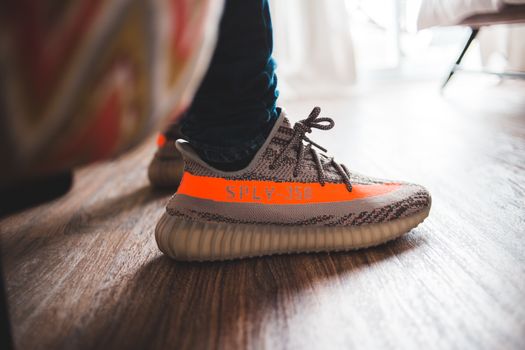
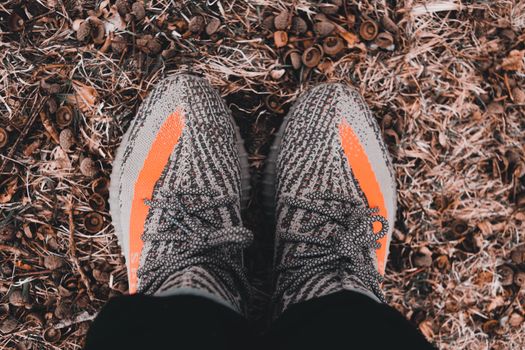
The Yeezy 700 made its first appearance in August 2017 with the release of the "Wave Runner." Designed by Kanye West in collaboration with Adidas, the Yeezy 700 diverged sharply from the minimalist trend dominating sneaker design at the time. Its chunky silhouette, layered upper, and bold color blocking instantly distinguished it from other models on the market.
Following the success of the original, Adidas released subsequent iterations, including the Yeezy 700 V2 (2018), Yeezy 700 V3 (2019), and Yeezy 700 MNVN (2020). Each edition introduced new technologies, materials, and design philosophies, reflecting both Kanye West’s evolving artistic vision and changing trends in footwear.
.png)
Design Differences: Aesthetics and Construction
One of the most striking aspects of the Yeezy 700 line is how each edition offers a distinct visual identity. Let’s break down the major design differences:
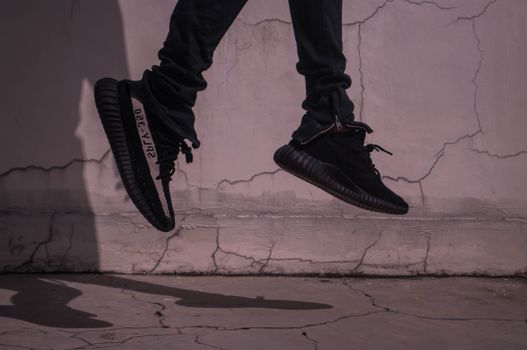
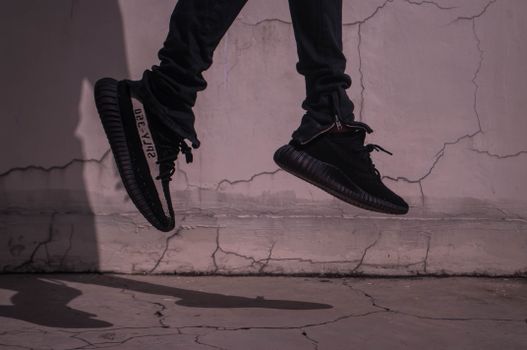
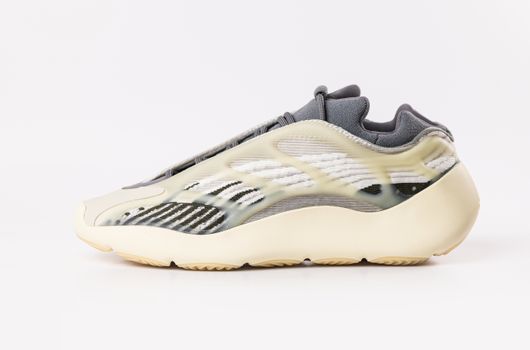
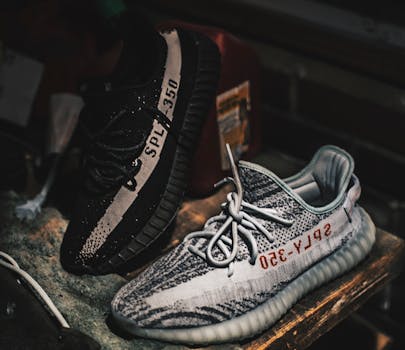
- Yeezy 700 V1: The original "Wave Runner" features a complex upper constructed from suede, leather, and mesh. Its multi-layered design and vibrant color accents—such as teal, orange, and black—set a bold new standard for dad shoes. - Yeezy 700 V2: This version streamlined the silhouette, introducing more reflective elements and a sleeker look. The upper primarily uses mesh and leather, with the addition of dynamic stripes and a more understated palette. - Yeezy 700 V3: Marking the biggest departure, the V3 swapped out Boost cushioning for EVA foam and introduced a monofilament engineered mesh upper with a striking RPU cage overlay. The absence of leather and suede gave it a futuristic, performance-inspired appearance. - Yeezy 700 MNVN: The MNVN took minimalism in a new direction, utilizing a nylon upper and large “700” branding on the side in reflective material. It ditched the multi-panel construction for a streamlined, synthetic build available in bold, monochromatic colorways.These distinct approaches to design have allowed the Yeezy 700 to maintain relevance and excitement over multiple years, appealing to a wide range of sneaker fans.
Comfort and Performance: How Do the Editions Compare?
Comfort is a cornerstone of the Yeezy brand, and each 700 edition has its own approach to cushioning and fit:
- Both the V1 and V2 editions feature Adidas’ renowned Boost midsole technology, offering plush, responsive cushioning. According to Adidas, Boost foam provides 20% more energy return than standard EVA, making these versions especially popular for day-long wear. - The V3, while visually innovative, replaced Boost with a lightweight EVA midsole. This made the shoe slightly less cushioned but reduced weight significantly, appealing to those who prefer a snugger, sportier feel. - The MNVN retained Boost cushioning, blending the comfort of earlier versions with the lightweight, flexible feel of its nylon upper.Sizing also differs subtly between editions. Reviews suggest that the V1 and V2 run true to size, while the V3 is known for its narrower, sock-like fit—some recommend going up half a size for maximum comfort.
Materials and Sustainability: What’s Changed Over Time?
Material innovation has been a hallmark of the Yeezy 700 series:
- The V1 and V2 prioritize premium materials, like suede overlays, full-grain leather, and breathable mesh, resulting in a luxurious feel. - The V3 introduced more synthetic materials, notably the RPU cage (a type of thermoplastic polyurethane) and engineered mesh. This not only gives the V3 its futuristic look but also aligns with Adidas’ ongoing sustainability initiatives. - The MNVN’s all-nylon upper reduces material waste and manufacturing complexity, reflecting a trend toward more eco-conscious sneaker production. In fact, since 2020, Adidas has pledged to increase its use of recycled materials, and the Yeezy 700 line has progressively incorporated more sustainable elements.These material choices affect not only the look and feel of the shoes but also their environmental footprint—a growing concern for many sneaker buyers.
Colorways and Limited Editions: A Collector’s Perspective
The Yeezy 700 series is renowned for its diverse and sometimes daring color palettes. The original Wave Runner’s multi-color scheme redefined what a “dad shoe” could look like, while later editions explored everything from muted earth tones to fluorescent hues.
Here are some of the most notable releases:
- Yeezy 700 V1: Wave Runner, Mauve, Inertia, Analog - Yeezy 700 V2: Static, Geode, Tephra, Hospital Blue - Yeezy 700 V3: Azael, Alvah, Safflower, Arzareth - Yeezy 700 MNVN: Triple Black, Orange, Bone, PhosphorMany colorways have been released in extremely limited quantities, driving up demand and resale value. For example, the V3 “Azael” sold out within minutes during its initial drop and now fetches prices upwards of $400 on secondary markets—over twice its retail price of $200.
Resale Value and Market Performance
For many sneakerheads, the Yeezy 700 editions are not just shoes—they’re investments. The resale market for Yeezy 700s has remained robust, reflecting both the shoes’ cultural cachet and their limited supply.
The table below compares retail prices, average resale prices, and estimated quantities for popular Yeezy 700 editions as of 2023:
| Edition | Retail Price | Average Resale Price | Release Quantity | Notable Colorways |
|---|---|---|---|---|
| Yeezy 700 V1 | $300 | $350-$600 | ~50,000 pairs | Wave Runner, Mauve |
| Yeezy 700 V2 | $300 | $300-$450 | ~30,000 pairs | Static, Geode |
| Yeezy 700 V3 | $200 | $250-$400 | ~25,000 pairs | Azael, Alvah |
| Yeezy 700 MNVN | $220 | $250-$350 | ~15,000 pairs | Orange, Triple Black |
As illustrated, earlier and more limited editions tend to command higher prices on the resale market. The Yeezy 700 V1 “Wave Runner,” in particular, has become an icon, with some new pairs selling for over $600, double their original retail price.
Conclusion: Choosing the Right Yeezy 700 Edition for You
The Yeezy 700 line offers a diverse array of designs, technologies, and colorways, making it one of the most versatile and collectable sneaker families in recent history. Whether you’re drawn to the bold nostalgia of the V1, the sleek aesthetics of the V2, the futuristic vibes of the V3, or the sporty minimalism of the MNVN, there’s a Yeezy 700 edition for every taste.
For comfort and heritage, the V1 and V2 are hard to beat. If you’re seeking innovation and a modern edge, the V3 stands out. For those prioritizing lightweight performance and unique branding, the MNVN is a solid choice. Whatever your preference, each edition represents a unique chapter in the Yeezy legacy—and a piece of sneaker history.