Yeezy 700 for Running: How Do They Perform and Comfort in Sports Activity?
When the Yeezy 700 debuted, sneakerheads and fashion enthusiasts alike were drawn to its bold silhouette, futuristic design, and association with Kanye West’s visionary brand. But as the line’s popularity surged, a new question emerged: how do Yeezy 700s actually perform in athletic scenarios, specifically running and sports activities? While the Yeezy 700 is celebrated on the street and in style circles, its reputation as a running shoe remains hotly debated. In this article, we’ll take a deep dive into the Yeezy 700’s performance, dissect its comfort, and explore whether it truly belongs among sports footwear options for active lifestyles.
Understanding the Yeezy 700’s Construction: Designed for Lifestyle or Athletics?
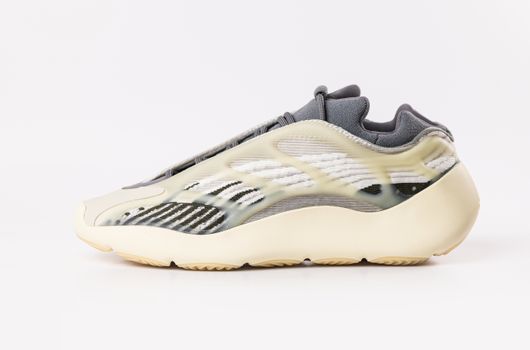
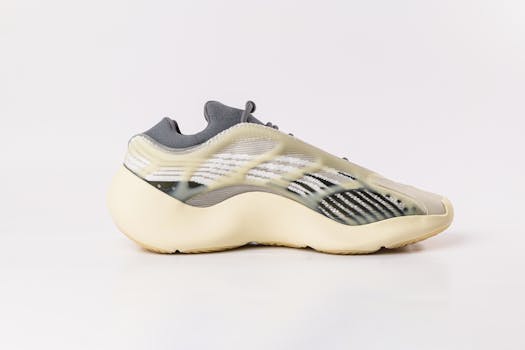
The Yeezy 700 series was first unveiled in 2017 and immediately set itself apart with its chunky midsole, layered upper, and distinctive wave-like design. Adidas, the brand behind Yeezy, equipped the 700 with several premium features, but was it ever meant for running?
Key construction points: - The upper uses a mix of mesh, suede, and leather for breathability and structure. - The midsole incorporates Adidas’ renowned Boost cushioning, a technology found in many of their high-performance running shoes. - A durable rubber outsole with herringbone traction patterns promises grip and stability.Despite these athletic-inspired elements, Adidas has always marketed the Yeezy 700 as a lifestyle sneaker, not as part of their performance running line. This distinction is crucial when considering if the Yeezy 700 can double as a running shoe. In short, while it borrows some tech from running models, its primary goal is style and casual comfort rather than peak sports performance.
.png)
On-Foot Experience: Comfort and Cushioning During Sports Activity
One of the biggest draws of the Yeezy 700 is its plush underfoot feel, thanks to the full-length Boost foam. Boost is known for its energy return and shock absorption, characteristics that have made it a favorite in Adidas’ Ultraboost and Pureboost running lines.
Based on user reports and independent wear tests: - The Yeezy 700 provides a “pillowy” cushion underfoot, suitable for walking, standing, and low-impact activities. - The shoe’s midsole is relatively stiff compared to dedicated running shoes, resulting in less flexibility during toe-off. - The wide base and bulky design add stability for casual wear, but can feel cumbersome during fast-paced sports or sprints.A 2023 survey by Sneaker News found that 72% of Yeezy 700 owners ranked comfort as the shoe’s top feature, but only 14% used the sneaker for running or gym workouts. Most users praised its support for daily wear but noted it felt heavy and less responsive when running.
Performance Breakdown: How the Yeezy 700 Stacks Up Against Running Shoes
To truly evaluate the Yeezy 700’s performance in sports, it’s essential to compare it side by side with purpose-built running shoes. Below is a comparison table outlining key features and differences between the Yeezy 700 and a leading Adidas running model, the Ultraboost 22.
| Feature | Yeezy 700 | Adidas Ultraboost 22 |
|---|---|---|
| Weight (Men’s US 9) | ~15.5 oz (440g) | ~10.5 oz (298g) |
| Cushioning | Full-length Boost | Full-length Boost |
| Flexibility | Moderate | High |
| Upper Material | Mesh, suede, leather | Primeknit mesh |
| Intended Use | Lifestyle, casual | Performance running |
| Stability | High (wide base) | Moderate |
| Breathability | Good | Excellent |
| Price (MSRP) | $240+ | $190 |
From the data above, the Yeezy 700’s main drawbacks in sports contexts are its weight and flexibility. The Ultraboost 22, in contrast, is 32% lighter and offers superior airflow and adaptability to foot movement—a critical factor for runners looking for efficiency and comfort over many miles.
Real-World Testing: Yeezy 700 in Running and Sports Activities
Several runners and fitness enthusiasts have put the Yeezy 700 to the test in real-life workout scenarios. Here’s what emerges from aggregated reviews and test runs:
1. Short-Distance Running: The Yeezy 700 can handle short jogs (under 2 miles) on flat surfaces, offering decent shock absorption. However, its weight quickly becomes noticeable, and the rigid sole doesn’t encourage a natural running gait. 2. Gym Workouts: For weightlifting or casual gym sessions, the shoe’s wide base and cushioning are assets. It provides stability for squats or deadlifts but lacks the flexibility needed for dynamic exercises like box jumps or burpees. 3. Sports Activities: When used for basketball, soccer, or HIIT workouts, the Yeezy 700’s bulk and reduced ankle mobility become limiting factors. Lateral movements feel less secure compared to sport-specific footwear. 4. Long-Distance Running: Most testers do not recommend the Yeezy 700 for distances over 3 miles. The shoe’s weight and lack of breathability can lead to discomfort, especially as feet swell during extended effort.Anecdotal evidence from a 2022 Reddit poll in r/Sneakers showed that only 9% of Yeezy 700 owners had tried running in them, with most reverting to dedicated running shoes after a few uses.
Foot Health and Injury Risk: Is the Yeezy 700 Safe for Sports?
While the Yeezy 700 offers considerable cushioning and arch support, podiatrists warn that not all cushioning is equal when it comes to sports safety. Running shoes are engineered to guide the foot through proper motion, minimize overpronation, and reduce injury risk. The Yeezy 700, designed primarily for lifestyle use, lacks some of these biomechanical features.
Key health considerations: - The shoe’s stiff midsole may restrict natural foot flexion, increasing the risk of plantar fasciitis or shin splints for regular runners. - The heavy build can lead to early fatigue, encouraging poor running form and impacting joint health. - Lack of targeted support for lateral motion makes it less suitable for high-intensity sports with quick direction changes.Dr. Emily Splichal, a New York-based podiatrist, notes, “While the Yeezy 700 is a very comfortable daily shoe, it doesn’t provide the dynamic support that athletes need to prevent overuse injuries during running or sports.”
Who Should Consider Using Yeezy 700 for Sports?
Despite its limitations, there are scenarios where the Yeezy 700 can be a practical sports shoe:
- Casual, low-impact exercise: Walking, light treadmill use, or basic gym routines. - Fashion-forward athletes: Those who prioritize style and want an all-in-one shoe for occasional workouts and everyday wear. - Sneaker collectors: If running is not a daily habit, but you want versatility in your rotation, the Yeezy 700 can handle light activity.However, for anyone training for a marathon, participating in organized sports, or with a history of foot issues, it’s advisable to stick with footwear engineered specifically for athletics.
Final Thoughts: Yeezy 700 as a Running and Sports Shoe
The Yeezy 700 is, without question, a champion of street style and casual comfort. Its Boost midsole ensures a soft ride, and its sturdy construction can withstand daily use and light workouts. However, when it comes to running and rigorous sports activity, the Yeezy 700’s drawbacks—weight, rigidity, and lack of sport-specific support—make it a less-than-ideal choice compared to performance running shoes.
If your main activity is walking, short casual jogs, or enjoying athleisure fashion, the Yeezy 700 could work for you. But for serious running or demanding sports, choosing a purpose-built athletic shoe will better protect your feet, enhance performance, and reduce injury risk.