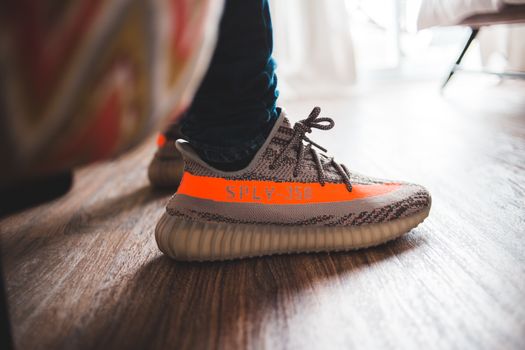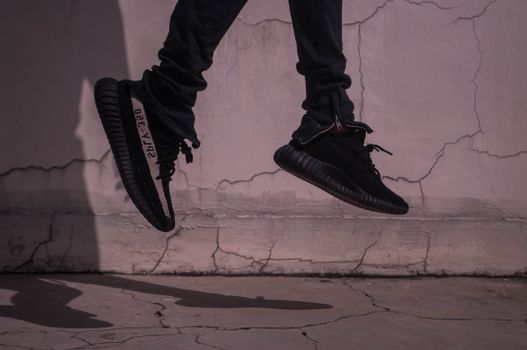
The Yeezy 700 has become a pop-culture icon since its debut in 2017, with its chunky silhouette, bold colorways, and the backing of Kanye West propelling it into the sneaker stratosphere. But with such popularity comes a whirlwind of rumors, opinions, and misinformation. Whether you’re a seasoned sneakerhead or just curious about the hype, separating fact from fiction can be challenging. In this article, we’ll tackle the most common myths about the Yeezy 700, busting misconceptions and revealing the truths behind one of the most talked-about sneakers of the last decade.
The Origin of Yeezy 700: Hype vs. Reality
One of the first myths about the Yeezy 700 is that it was an overnight sensation, instantly selling out everywhere and instantly loved by all. In reality, the Yeezy 700’s launch was more nuanced. Released in August 2017, the original “Wave Runner” colorway was only available through Yeezy Supply via pre-order, retailing for $300—which was considered pricey at the time.
Contrary to popular belief, the Yeezy 700 did not sell out in minutes during its first drop. In fact, pairs sat on the Yeezy Supply website for several hours, and many sneaker enthusiasts were initially critical of the design, calling it “dad shoe” or “ugly sneaker.” It wasn’t until influential celebrities and fashion tastemakers began wearing them that demand skyrocketed, leading to future releases selling out rapidly and resale prices climbing to over $700 within months.
.png)
Fact: The Yeezy 700’s journey from controversial release to coveted staple was gradual, not instant.
Myth: All Yeezy 700s Are the Same
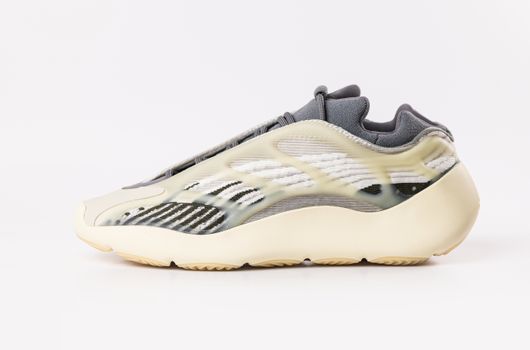
Another persistent myth is that all Yeezy 700s are identical, with only color changes distinguishing one model from another. The truth is far more interesting. Since its inception, the Yeezy 700 line has seen multiple evolutionary steps, each with distinct features, materials, and technologies.
The three main Yeezy 700 models are:
- Yeezy Boost 700 (OG) - Yeezy 700 V2 - Yeezy 700 V3Here is a comparative overview highlighting their differences:
| Model | Year Released | Main Materials | Midsole Technology | Retail Price (USD) |
|---|---|---|---|---|
| Yeezy Boost 700 (OG, V1) | 2017 | Suede, leather, mesh | adidas BOOST | $300 |
| Yeezy 700 V2 | 2018 | Mesh, leather, TPU overlays | adidas BOOST | $300 |
| Yeezy 700 V3 | 2019 | Engineered mesh, RPU cage | EVA foam (no BOOST) | $200 |
As shown in the table, the Yeezy 700 V3 notably ditched the adidas BOOST cushioning, opting for EVA foam, which changed the overall feel and price point of the shoe. The upper materials and design language also evolved, offering sneaker enthusiasts a range of looks and performance experiences.
Fact: Yeezy 700 models differ significantly in technology, materials, and price.
Myth: Yeezy 700s Are Only About Fashion
It’s easy to assume that Yeezy 700s exist solely for street style and Instagram posts, but this is only half the story. Another myth is that they are impractical for everyday use or performance, serving only as a fashion statement.
The Yeezy 700 was designed with both aesthetics and comfort in mind. The original 700 (V1 and V2) features adidas’ proprietary BOOST midsole, which is known for its superior cushioning and energy return. This technology is the same found in popular running shoes like the adidas UltraBoost, renowned for comfort during long periods of wear.
A 2019 user survey by StockX found that over 78% of Yeezy 700 owners rated comfort as their top reason for wearing them regularly, with many reporting they wore their pairs for walking, travel, and even light exercise. The wide base and supportive upper also contribute to a stable, comfortable ride.
While they may not be optimized for high-intensity sports, Yeezy 700s offer a blend of fashion and function that makes them suitable for more than just turning heads.
Fact: The Yeezy 700 is both a fashion icon and a genuinely comfortable sneaker for daily wear.
Myth: Only Hypebeasts and Resellers Buy Yeezy 700s
A common misconception is that Yeezy 700s are only purchased by “hypebeasts”—people who buy sneakers just for status—or resellers looking to flip them for profit. While it’s true that limited releases attract these groups, the reality is more complex.
According to a 2022 report by the sneaker analytics platform, Campless, the average age of Yeezy 700 buyers ranged from 18 to 40, with a surprisingly even split between casual wearers and collectors. Additionally, adidas has increased the availability of Yeezy 700 models in recent years, making them easier for the average consumer to obtain without paying exorbitant resale prices.
For example, the 2021 restock of the “Wave Runner” saw adidas releasing tens of thousands of pairs globally, allowing many first-time buyers to secure them at retail. In fact, resale platform GOAT noted a 35% drop in secondary market prices after the restock, further indicating a shift toward accessibility.
Fact: Yeezy 700s attract a diverse audience, including everyday sneaker fans and new buyers.
Myth: Yeezy 700s Aren't Worth the Price
Price is a hot topic in sneaker culture, and Yeezy 700s have often been labeled as overpriced. But is this myth justified? Let’s break it down.
The Yeezy Boost 700 launched at $300, higher than most mainstream sneakers. However, the price reflects several factors:
- Premium materials: The OG models use a blend of suede, leather, and mesh. - Boost technology: BOOST midsoles are more expensive to manufacture than standard EVA foam. - Branding: The Yeezy name commands a premium due to its association with Kanye West and adidas.When comparing the Yeezy 700 to other designer sneakers—such as Balenciaga Triple S (retail $995) or Nike x Off-White collaborations (often $200-$250 and up)—the Yeezy 700 sits in the mid-premium range.
Moreover, Yeezy 700s tend to hold their value better than many mass-market sneakers. According to a 2023 analysis by sneaker data firm Sole Retriever, the average resale value for Yeezy 700s remained at 120% of retail price, even after multiple restocks.
Fact: While not cheap, Yeezy 700s are competitively priced in the premium sneaker market and often retain their value.
The Truth Behind Yeezy 700 Myths: What Sneakerheads Should Know
Yeezy 700s have inspired passionate debate, from their design to their price tag, and myths continue to swirl around the sneaker. By digging into the facts, it’s clear that many popular beliefs about the Yeezy 700 don’t hold up to scrutiny.
- The Yeezy 700 didn’t become an icon overnight; its rise was shaped by evolving opinions and influential endorsements. - Each Yeezy 700 model brings unique materials and technologies, not just new colorways. - Far from being just a fashion piece, the Yeezy 700 is engineered for comfort and everyday wear. - The sneaker has become more accessible, with a broader range of buyers than just resellers and hypebeasts. - While the retail price is high, it’s justified by quality and brand value—and the shoes often hold or increase in value over time.In the end, the Yeezy 700 remains a symbol of innovation and style in the sneaker world, but it’s also a product that invites closer inspection beyond the headlines and hype.