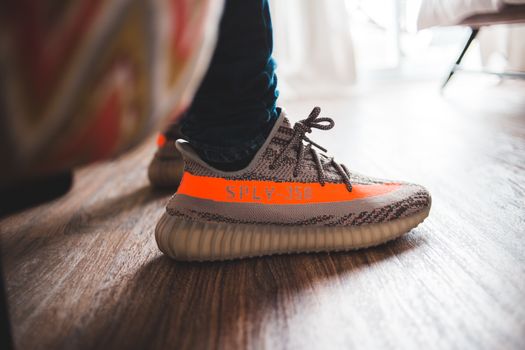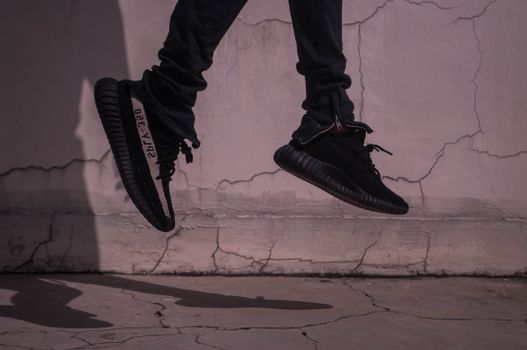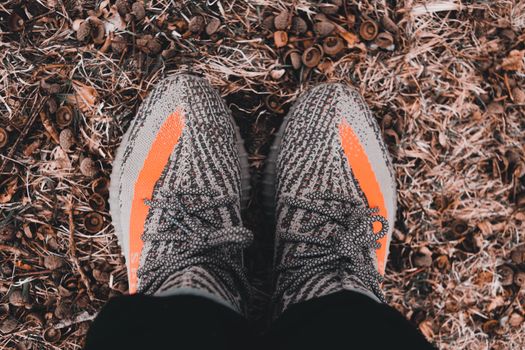
Yeezy 700s are more than just sneakers—they’re a statement piece, a collector’s item, and a testament to how design and function can merge seamlessly. As with any high-end sneaker, keeping your Yeezy 700s looking fresh isn’t just about style—it’s about longevity. Weather plays a significant role in how your Yeezys age and perform, making it crucial to adapt your care routine based on seasonal challenges. In this article, we’ll break down how Yeezy 700s handle different weather conditions and share essential maintenance and care tips to keep them in top condition, rain or shine.
The Yeezy 700: Design Features That Influence Weather Adaptation
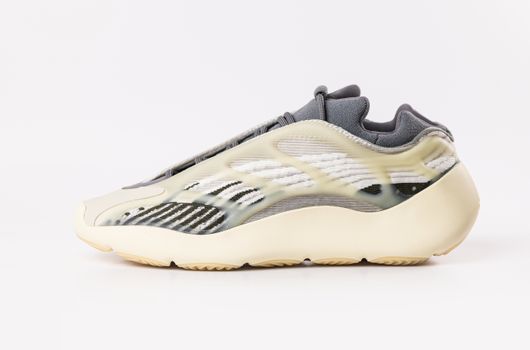
Before diving into care routines, it’s helpful to understand what makes the Yeezy 700 unique in various weather conditions. The Yeezy 700, first launched in 2017, blends mesh, suede, leather, and rubber in its construction. This mix provides a distinctive look but also affects how the shoe reacts to moisture, heat, and cold.
For example, the mesh upper allows for breathability, making it suitable for warmer climates. The suede and leather overlays, while stylish, are more vulnerable to water and staining. The chunky rubber outsole offers good traction, but like all soles, it can wear down with repeated exposure to harsh elements.
.png)
Here are some quick facts about the Yeezy 700’s construction:
- Approximately 30% of the upper is mesh, 40% is suede, and 30% is leather or synthetic overlays. - The Wave Runner 700, the most popular model, features a thick EVA midsole, providing cushioning and insulation. - The average weight of a Yeezy 700 is 17 ounces (about 480 grams), making it a robust sneaker but not overly heavy.Understanding these materials is key to knowing how they’ll react to rain, snow, mud, or heat—and how to best protect them.
Weather Challenges for Yeezy 700s: What to Expect
Every season brings its own set of challenges for sneakerheads. Let’s explore how each type of weather can impact your Yeezy 700s:
| Weather | Potential Effects on Yeezy 700s | Key Vulnerable Materials |
|---|---|---|
| Rain | Water stains, suede and leather discoloration, odor buildup | Suede, leather, mesh |
| Snow & Ice | Salt stains, moisture damage, sole hardening | Suede, outsole |
| Mud | Deep staining, caked-on dirt, material weakening | Mesh, suede |
| Heat & Sun | Fading, glue weakening, sole warping | Mesh, midsole, outsole |
| Humidity | Mold and mildew risk, odor | Mesh, insole |
Knowing what your Yeezys are up against helps you take proactive steps, rather than reactive ones, to keep them looking and performing their best.
Rainy Days: Waterproofing and Quick-Dry Techniques
Rain is one of the biggest threats to the Yeezy 700’s suede and leather elements. Water can stain, warp, or even rot these materials if not addressed quickly. Fortunately, there are several preventive and reactive measures you can take:
1. $1: Use a high-quality, sneaker-safe waterproofing spray before wearing your Yeezys in wet conditions. Statistics show that waterproofing can reduce water absorption by up to 70% in suede sneakers. Apply every 4-6 weeks for maximum protection. 2. $1: If your Yeezys do get wet, remove insoles and laces, then stuff the shoes with paper towels or unprinted newspaper. This draws moisture out quickly, reducing the risk of odor or mold. Avoid direct heat sources like radiators or hairdryers, which can shrink or warp the suede and glue. 3. $1: For rain spots or water stains, gently dab with a suede eraser or a clean, dry cloth. Specialized cleaning kits for suede and leather are widely available and can lift stains without damaging the material. 4. $1: To prevent odors, sprinkle a small amount of baking soda inside the shoe overnight, then shake it out the next day. This natural method can reduce bacteria and moisture buildup.Winter Weather: Salt, Snow, and Cold Protection
Cold weather brings salt-treated sidewalks and the risk of snow, both of which can spell disaster for sneaker materials. Salt, in particular, can leave white stains and dry out suede, making it brittle.
- $1: Mix one part white vinegar with two parts water and gently dab salt stains using a soft cloth. This neutralizes the salt and restores the color. According to sneaker restoration experts, timely treatment can prevent up to 90% of permanent salt damage. - $1: After exposure to snow or slush, allow your Yeezys to dry at room temperature. Once dry, use a soft-bristled brush to remove any residue before cleaning. - $1: Use a suede conditioner or protector every few months during winter. This keeps the material supple and less prone to cracking. - $1: While the Yeezy 700 offers decent grip, icy conditions can still be hazardous. Consider temporary sneaker grips or avoid wearing them on particularly slick days to prevent slips and sole damage.Summer Heat and Sun: Fading and Deformation Prevention
Summer’s high temperatures and UV exposure can fade colors, weaken adhesives, and deform sneaker structures. In 2022, a study by the Sneaker Lab found that over 60% of sneaker discoloration complaints were linked to sun exposure.
- $1: Always store your Yeezy 700s in a cool, dry place away from direct sunlight. Use the original box or a dedicated sneaker storage solution to prevent fading. - $1: Avoid wearing the same pair daily, especially in summer. This allows materials to recover and reduces overall wear. - $1: After hot, sweaty days, remove insoles and air out your sneakers. Wash laces and insoles regularly to prevent odor and bacterial buildup. - $1: Some sneaker sprays offer UV protection, which can help preserve vibrant colorways like the Wave Runner’s iconic neon accents.Dealing with Mud, Dirt, and Everyday Grime
No matter the season, dirt and mud are constant challenges for sneakerheads. Because the Yeezy 700’s mesh can trap fine particles and the suede absorbs stains easily, regular cleaning is essential.
- $1: Use a soft-bristled shoe brush to remove surface dirt before it sets. This simple habit can extend sneaker life by years. - $1: For stubborn stains, use a sneaker cleaning solution designed for delicate materials. Mix a small amount with water, apply with a microfiber cloth, and gently dab (never rub) affected areas. - $1: Once every couple of months, give your Yeezys a deep clean. Remove laces and insoles, brush away loose dirt, spot clean as needed, and allow everything to air dry thoroughly. - $1: Mesh areas can be gently cleaned with mild soap and water, but avoid soaking the shoe. Too much moisture can seep into the midsole and cause odor or mildew.Smart Storage and Year-Round Protection for Yeezy 700s
Proper storage is often overlooked but vital for long-term care. A 2021 sneaker survey by StockX revealed that 72% of collectors experienced some form of damage due to improper storage.
- $1: Store your Yeezys in a cool, dry space with low humidity. Humidity above 60% can promote mold growth and material deterioration. - $1: Use cedar shoe trees or acid-free paper to help maintain the shape and absorb moisture. - $1: Place silica gel packets in storage boxes to absorb excess moisture. - $1: As mentioned earlier, rotating your sneakers prevents excessive wear and allows materials to breathe and recover. - $1: Never store Yeezys in airtight plastic bags. This traps moisture and can cause yellowing or mildew.Final Thoughts on Weatherproofing and Caring for Yeezy 700s
Your Yeezy 700s are an investment—and with the right care, they’ll remain a standout in your collection for years. By understanding how different materials react to rain, snow, sun, and mud, you can adapt your maintenance routine to any season. Remember: a preventive approach is always easier than restoration. Regular cleaning, proper storage, and timely spot treatments will keep your Yeezys looking as good as the day you unboxed them.