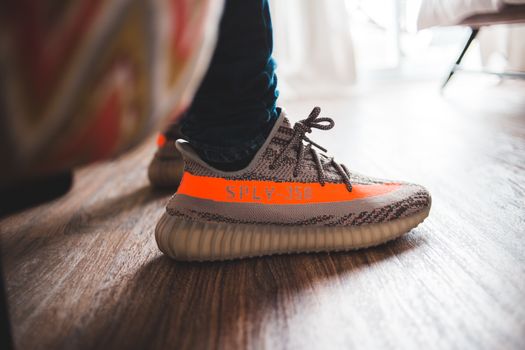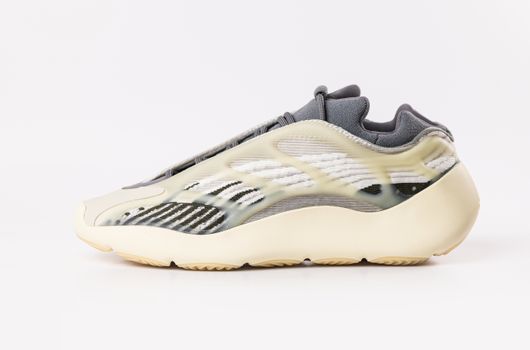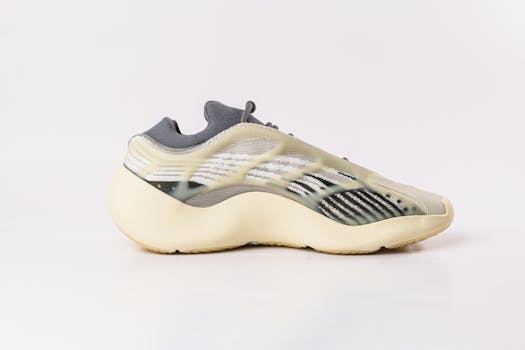
The Yeezy 700 is not just a sneaker; it’s a cultural icon that represents the fusion of innovative design, advanced technology, and meticulous craftsmanship. Since its debut, the Adidas Yeezy 700 has captivated sneaker enthusiasts and fashion-forward individuals alike, thanks to its distinctive silhouette and legendary comfort. But have you ever wondered what goes into making a pair of Yeezy 700s? In this article, we’ll peel back the curtain on the fascinating journey of Yeezy 700s, from concept to final product, and explore the unique processes and groundbreaking technologies that make these sneakers a standout in the footwear world.
The Origins: Conceptualizing the Yeezy 700’s Iconic Design
The Yeezy 700 was first introduced in 2017, designed by Kanye West in partnership with Adidas. Unlike many other sneakers on the market, the Yeezy 700 was conceived as a bold departure from minimalist trends, embracing a chunky, retro-inspired silhouette that sparked the “dad shoe” movement. The design process begins months—sometimes years—before a shoe ever hits the shelves.
Kanye West’s approach to design is highly hands-on. Early sketches and digital renderings are developed in collaboration with Adidas’s dedicated design team. Each Yeezy 700 iteration starts with a mood board that pulls inspiration from architecture, industrial design, and even vintage running shoes from the 1990s. The team then translates these inspirations into 3D models, using computer-aided design (CAD) software to fine-tune proportions, layering, and panel placements.
.png)
Fact: The Yeezy 700 Wave Runner, the first of its kind, took over 18 months from concept to production, highlighting how much attention is paid to the smallest details.
Material Selection: Premium Components for Performance and Aesthetics
One of the defining features of the Yeezy 700 is its use of premium materials. The upper typically combines suede overlays, leather panels, mesh underlays, and reflective accents. Each material is selected not only for its appearance but also for its durability and breathability.
Adidas sources suede and leather from tanneries that meet strict environmental standards, ensuring both quality and ethical responsibility. The mesh panels are engineered for optimal airflow, enhancing comfort during wear. Reflective materials are strategically placed for both style and safety, making the Yeezy 700 stand out even in low-light conditions.
The outsole is crafted from high-abrasion rubber, designed for superior grip and longevity. Meanwhile, the midsole incorporates Adidas’s renowned BOOST technology, a thermoplastic polyurethane (TPU) foam that offers unmatched energy return and cushioning.
Fact: BOOST technology, introduced in 2013, is made from thousands of expanded TPU pellets fused together, providing 20% more energy return than traditional EVA foam.
Cutting-Edge Manufacturing: From Prototyping to Assembly
The manufacturing of Yeezy 700s takes place in state-of-the-art Adidas factories, primarily located in China and Vietnam. The process begins with the creation of prototypes. After the design is finalized, a small batch of sample sneakers is produced to test the fit, look, and performance. These prototypes undergo rigorous wear-testing and are evaluated by both the design team and Kanye West himself.
Once approved, the shoe enters mass production. Each Yeezy 700 is constructed using a combination of skilled handwork and advanced machinery. Laser-cutting technology ensures that each panel is cut with extreme precision, minimizing waste. Sewing specialists assemble the upper, carefully stitching together suede, mesh, and leather components. The upper is then mounted onto the sole using heated presses, ensuring a secure and durable bond.
Quality control is an integral part of the process. Each pair undergoes over 50 individual inspections, checking for everything from material consistency to stitching accuracy and color fidelity.
Fact: It takes approximately 2-3 hours to assemble a single pair of Yeezy 700s, given the complexity of its multi-layered design and stringent quality checks.
Innovative Technology: BOOST, 3D Modeling, and Sustainability
What truly sets the Yeezy 700 apart from other sneakers is its use of advanced technology throughout the design and manufacturing process. BOOST technology in the midsole provides unrivaled comfort, making the Yeezy 700 a favorite for both style and practicality.
3D modeling plays a crucial role in both design and prototyping. Adidas uses computer software to visualize how materials will interact, test different colorways, and even simulate wear patterns over time. This digital-first approach helps reduce the number of physical prototypes needed, speeding up development and reducing environmental impact.
Sustainability has also become a growing focus. Adidas has publicly committed to using more recycled materials in Yeezy production. For example, the Yeezy 700 V3 features components made from recycled plastics, and the company aims to transition to at least 50% recycled polyester in all products by 2024.
Fact: Adidas reported that in 2023, over 30 million pairs of shoes were made using recycled plastics, with Yeezy lines contributing significantly to this initiative.
Yeezy 700s vs. Other Sneakers: A Comparative Overview
To understand the technological and material advancements that distinguish the Yeezy 700, let’s compare them to other popular sneakers on the market.
| Feature | Yeezy 700 | Nike Air Max 90 | New Balance 990v5 |
|---|---|---|---|
| Main Materials | Suede, leather, mesh, reflective elements | Leather, mesh, synthetic overlays | Pigskin suede, mesh, synthetic |
| Midsole Technology | Adidas BOOST | Air cushioning | ENCAP cushioning |
| Production Time (per pair) | 2-3 hours | 1.5-2 hours | 2 hours |
| Sustainability Initiatives | Recycled plastics, eco-friendly tanneries | Some recycled materials (varies by model) | Some recycled materials |
| Design Process | CAD, 3D modeling, artist-direct input | Traditional, with some digital elements | Traditional design methods |
As shown above, the Yeezy 700 leverages a blend of high-end materials, advanced cushioning, and sustainable practices, setting it apart from even the most well-known competitors.
The Sneaker Craze: Limited Releases and Global Demand
Another fascinating aspect of the Yeezy 700 production process is its release strategy. Unlike mass-produced sneakers, Yeezy 700s are typically released in limited quantities through highly anticipated “drops.” This scarcity is intentional, designed to maintain exclusivity and hype around the brand.
The logistics behind these releases are complex. Adidas uses a combination of online raffles, in-store releases, and select partnerships with boutique retailers. The company coordinates global production and distribution to ensure that each release goes smoothly, limiting the risk of leaks and counterfeiting.
According to market research firm Statista, the global sneaker resale market was valued at over $6 billion in 2023, with Yeezys accounting for a significant portion of high-value trades. Some Yeezy 700 models have fetched as much as $1,000 on the resale market, several times their original retail price of around $300.
Final Thoughts: The Enduring Appeal of Yeezy 700s
The Yeezy 700 is more than just a fashionable sneaker—it’s a testament to what’s possible when artistry, technology, and sustainability intersect. From Kanye West’s original sketches to the advanced manufacturing techniques employed by Adidas, every pair undergoes a journey defined by precision, innovation, and a commitment to quality.
The Yeezy 700’s unique blend of comfort, style, and exclusivity keeps it at the forefront of sneaker culture. As Adidas continues to push the boundaries with new materials and sustainable practices, the Yeezy 700’s legacy as an iconic, forward-thinking sneaker is likely to endure for years to come.