The Yeezy 700 for Athletes: Are They Suitable for Running and Training?
The Yeezy 700 is undeniably one of the most iconic sneakers of the past decade, blending bold aesthetics with a chunky retro silhouette. Known for its association with Kanye West and Adidas, the Yeezy 700 has captured the imagination of sneakerheads and fashion-forward individuals worldwide. Its popularity is so immense that, according to StockX data, some Yeezy 700 colorways have experienced resale price premiums of over 80% in recent years. However, as the line between lifestyle and performance footwear continues to blur, many athletes and fitness enthusiasts wonder: can the Yeezy 700 hold its own as a serious running or training shoe?
In this article, we take a close look at the Yeezy 700’s construction, performance features, and suitability for athletic activities. We’ll compare the Yeezy 700 to true performance footwear, examine its pros and cons for sports, and provide expert insights so you can decide if Yeezy 700s deserve a place in your athletic rotation.
The Yeezy 700: Designed for Fashion, Not Function?
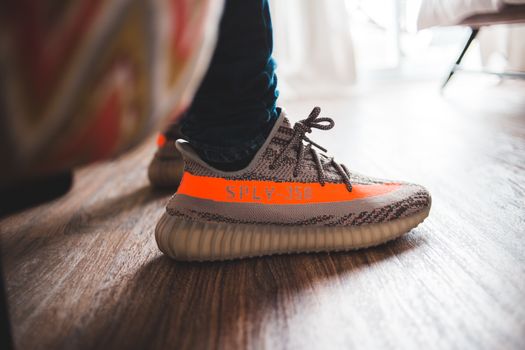
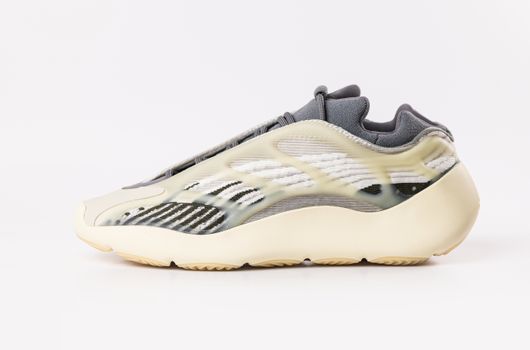
When the original Yeezy 700 “Wave Runner” launched in 2017, it broke the mold of minimalist running shoes that dominated the market. Instead, Kanye West and Adidas drew inspiration from 1990s dad shoes, prioritizing chunky midsoles, layered materials, and bold color-blocking. The Yeezy 700 quickly became a streetwear staple, but its technical specifications have always been secondary to its visual appeal.
.png)
The Yeezy 700 features a combination of suede, mesh, and leather overlays on the upper, a full-length Adidas Boost midsole for cushioning, and a durable rubber outsole. While Boost technology is prized in Adidas’ performance running shoes like the Ultraboost, the Yeezy 700’s overall build is heavier and bulkier. A men’s US size 9 Yeezy 700 weighs approximately 470 grams (16.6 ounces) per shoe, compared to about 300 grams (10.5 ounces) for a typical running shoe such as the Adidas Ultraboost 21.
Furthermore, the Yeezy 700 lacks advanced features like engineered mesh uppers for breathability, reinforced heel counters for stability, or specialized tread patterns for traction on diverse surfaces. Instead, it focuses on premium materials and distinctive style, making it a favorite for casual wear rather than performance.
Running in Yeezy 700s: Comfort vs Performance
One of the selling points of the Yeezy 700 is its plush comfort, thanks to the Boost midsole. Many wearers report excellent step-in feel and long-term cushioning, which has led some to experiment with using the Yeezy 700 for light running or gym sessions. But how does it actually perform?
For short, low-impact runs—such as a 2-3 km jog on flat surfaces—the Yeezy 700’s cushioning can absorb impact and provide a cushy ride. However, when it comes to serious running, several drawbacks become apparent:
1. Weight: At over 16 ounces per shoe, the Yeezy 700 is significantly heavier than true running shoes, contributing to quicker fatigue and slower pace. 2. Flexibility: The thick midsole and layered upper limit the shoe’s flexibility, making it less responsive during toe-off and transitions. 3. Breathability: The use of suede and leather in the upper traps heat, leading to sweaty feet during prolonged activity. 4. Traction: The outsole design, while durable, lacks the multidirectional grip found in performance running shoes.A 2022 survey by Runner’s World found that 87% of respondents prioritized light weight and breathability when selecting running shoes—two categories where the Yeezy 700 falls short.
Yeezy 700 for Gym Training: Stability and Support Considerations
While the Yeezy 700 may not be optimized for running, some athletes consider wearing it for gym workouts, weight training, or classes. In these scenarios, stability and support are critical factors.
The Yeezy 700’s wide base and robust midsole offer a degree of lateral support, which can be beneficial for certain exercises such as squats or lunges. However, compared to cross-trainers or shoes specifically engineered for training, the Yeezy 700 still presents limitations:
- Heel Height: The Yeezy 700’s pronounced midsole elevates the heel, which can compromise ground feel and stability during deadlifts or Olympic lifts. - Flexibility: The rigid construction hinders natural foot movement, impacting agility drills or high-intensity interval training (HIIT). - Outsole Traction: The grip is adequate for smooth gym floors, but lacks the aggressive tread found in true training shoes.In a controlled setting—such as upper body workouts or moderate resistance training—the Yeezy 700 may suffice for style-conscious athletes. However, for those prioritizing performance, purpose-built training shoes remain a better choice.
Comparing Yeezy 700 to Performance Footwear: A Data Overview
To better understand where the Yeezy 700 stands among athletic footwear, here’s a side-by-side comparison with two leading performance shoes: the Adidas Ultraboost 21 (running) and the Nike Metcon 8 (training).
| Shoe Model | Weight (US M 9) | Midsole Cushioning | Upper Material | Traction | Designed For |
|---|---|---|---|---|---|
| Yeezy 700 | 470g (16.6 oz) | Full-length Boost | Suede, Leather, Mesh | Rubber; minimal pattern | Lifestyle, Casual |
| Adidas Ultraboost 21 | 312g (11 oz) | Full-length Boost | Engineered Knit | Continental Rubber; high grip | Running |
| Nike Metcon 8 | 340g (12 oz) | Dual-density foam | Engineered Mesh, Reinforcements | Flat rubber; multidirectional | Training, CrossFit |
This table highlights the Yeezy 700’s heavier build and focus on materials and style over technical performance. Both the Ultraboost 21 and Metcon 8 offer specialized features for their intended activities, such as lighter weight, engineered uppers, and advanced traction.
The Fashion-Performance Trade-off: Where Yeezy 700 Shines
Despite its limitations as a sports shoe, the Yeezy 700 excels in areas where style, comfort, and versatility are paramount. For many athletes, the post-workout lifestyle is just as important as the performance itself. The Yeezy 700 transitions seamlessly from gym to street, making it a favorite for those who value aesthetic appeal.
Furthermore, the Boost cushioning does provide all-day comfort for walking or light activity. For those attending casual fitness classes, running errands, or seeking a statement piece for their athleisure look, the Yeezy 700 offers a unique blend of fashion and function. In fact, a 2023 report by The NPD Group found that 62% of sneaker purchases in the US were for “casual, everyday wear,” rather than for specific sports.
Ultimately, the Yeezy 700’s true strength lies in its cultural cachet and comfort, rather than elite athletic performance.
Expert Insights: When (and When Not) to Wear Yeezy 700s for Sport
Leading podiatrists and sports scientists generally advise against using lifestyle sneakers like the Yeezy 700 for high-intensity running or training. Dr. Emily Splichal, a sports podiatrist, notes that “the lack of targeted support and excessive weight in fashion sneakers can increase the risk of fatigue and injury over time.” She recommends rotating between specialized performance shoes for training and lifestyle sneakers for casual wear.
However, if you’re set on wearing Yeezy 700s for activity, consider these tips:
- Stick to low-impact activities: Walking, light jogging, or basic resistance training. - Listen to your body: If you experience discomfort or instability, switch to performance footwear. - Alternate shoes: Use Yeezy 700s for casual wear and save running/training shoes for workouts.Adidas itself does not market the Yeezy 700 as a performance product but as a “lifestyle sneaker.” For best results, let your Yeezys shine outside the gym or during lighter activities, and rely on specialized footwear for serious athletic pursuits.
Final Thoughts on Yeezy 700s for Athletes
The Yeezy 700’s legacy is built on style, comfort, and cultural influence—not on breaking speed records or maximizing training efficiency. While its plush Boost cushioning and supportive structure make it an excellent choice for casual wear and light activity, the Yeezy 700 falls short in critical areas required for serious running and training, such as weight, breathability, and technical support.
For athletes and fitness enthusiasts, the Yeezy 700 is best reserved for those moments when fashion takes precedence over function. Whether you’re heading to brunch after a workout or want to make a statement on the street, the Yeezy 700 delivers. For your next personal best or high-intensity session, however, stick with shoes designed specifically for the athletic demands of your sport.