The Yeezy 700: Insights into the Manufacturing Process
The Yeezy 700 is more than just another sneaker in the ever-evolving world of streetwear. Designed by Kanye West and released in collaboration with Adidas, the Yeezy 700 stands out for its striking aesthetics and innovative approach to sneaker construction. But what goes on behind the scenes to bring this iconic shoe to life? In this article, we take you inside the manufacturing process of the Yeezy 700, revealing how meticulous design, advanced materials, and modern production techniques come together to create one of the most sought-after sneakers of the last decade.
From Concept to Blueprint: The Yeezy 700 Design Journey
Every Yeezy 700 begins as a bold concept. Kanye West’s vision, combined with Adidas’s design expertise, drives the creative process. The journey starts with mood boards, sketches, and digital renderings, capturing the chunky silhouette and layered look that define the Yeezy 700. According to Adidas, each new Yeezy model goes through over 50 concept revisions before a final design is approved.
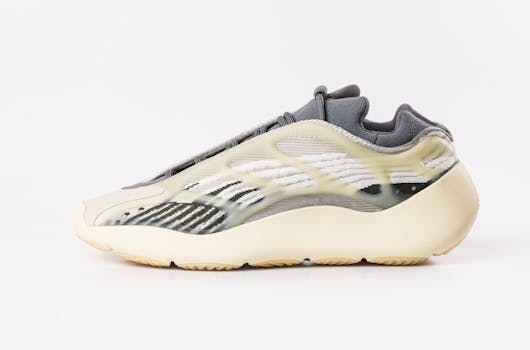
Unlike many sneakers that follow seasonal trends, the Yeezy 700’s design is rooted in retro influences blended with futuristic lines. In 2017, the original Yeezy Boost 700 “Wave Runner” set a new standard for dad-shoe aesthetics. Designers use advanced 3D modeling software to finalize the shoe’s dimensions, ensuring that its unique panels, midsole curves, and outsole patterns translate perfectly from sketch to prototype.
.png)
Prototyping is the next crucial step. Adidas’s innovation labs in Herzogenaurach, Germany, produce 3-5 physical prototypes for each Yeezy 700 release. These prototypes are tested for fit, comfort, and durability before moving forward in the manufacturing pipeline.
Material Selection: Premium Fabrics and Responsible Sourcing
One of the standout features of the Yeezy 700 line is its high-quality materials. Each pair combines suede, leather, mesh, and rubber to achieve its distinctive look and exceptional comfort. Adidas reports that over 60% of the upper material in recent Yeezy 700 releases comes from recycled or responsibly sourced fabrics, aligning with their broader sustainability initiatives.
The mesh used in the upper provides breathability and flexibility, while premium suede overlays offer support and a luxurious feel. The midsole, a core element of the Yeezy 700’s comfort, is built using Adidas Boost technology—a proprietary foam made from expanded thermoplastic polyurethane (TPU) pellets. These pellets are fused to create a cushioning system that delivers superior energy return, with Adidas claiming up to 20% more responsiveness compared to traditional EVA foam.
Leather components are sourced from Leather Working Group-certified tanneries, ensuring strict environmental and labor standards. Adidas’s global supply chain sources materials from over 40 countries, with strict quality controls at every stage.
Cutting, Stitching, and Assembly: Step-by-Step Manufacturing
The actual assembly of the Yeezy 700 is a blend of high-tech automation and skilled craftsmanship. The process unfolds in several key stages:
1. Cutting: Automated cutting machines shape the mesh, suede, and leather panels. Precision is critical—each piece must fit perfectly to maintain the shoe’s structure and aesthetics. A typical Yeezy 700 upper consists of more than 20 separate pieces. 2. Stitching: Expert technicians assemble the upper by hand-stitching the panels together. Each pair takes approximately 2 hours for this stage alone. Triple-stitching is used at stress points to enhance durability. 3. Lasting: The stitched upper is pulled over a foot-shaped mold, or last, to achieve the Yeezy 700’s signature contours. This step ensures consistency in fit and appearance. 4. Midsole Insertion: The Boost midsole is molded separately using high-pressure machines, then bonded to the upper using industrial adhesives. This process gives the Yeezy 700 its characteristic chunky sole and plush cushioning. 5. Outsole Attachment: The rubber outsole, featuring a wave-like traction pattern, is attached using both glue and stitching. Adidas’s proprietary rubber compound delivers excellent grip and wear resistance. 6. Quality Control: Each finished pair is inspected for defects, checked against design specifications, and subjected to wear tests. Adidas claims that less than 1% of Yeezy 700 units fail quality checks before shipping.Production Locations and Volumes: Global Manufacturing Insights
Adidas produces the Yeezy 700 in several specialized factories, primarily located in China and Vietnam. These factories are equipped with advanced machinery and staffed by skilled workers who focus exclusively on premium sneaker lines.
According to industry data, a single factory can produce up to 4,000 pairs of Yeezy 700s per day during peak production runs. However, Adidas deliberately limits production to maintain exclusivity—most Yeezy 700 releases see between 20,000 and 50,000 pairs worldwide per colorway. This limited supply is one key reason for the sneaker’s high resale value and enduring hype.
A typical production run for a new Yeezy 700 colorway takes about 6-8 weeks from material arrival to finished product shipment. The shoes are then distributed globally via Adidas’s logistics centers in Germany, the United States, and Asia.
Comparing the Yeezy 700 Manufacturing Process to Other Sneakers
To better understand what sets the Yeezy 700 apart, let’s compare its manufacturing process to that of a standard Adidas lifestyle sneaker.
| Feature | Yeezy 700 | Standard Adidas Sneaker |
|---|---|---|
| Design Revisions | 50+ per model | 10-20 per model |
| Material Sourcing | Premium, recycled, and LWG-certified | Conventional synthetic and textile |
| Assembly Time per Pair | 2.5-3 hours | 1-1.5 hours |
| Production Volume per Colorway | 20,000-50,000 pairs | Over 100,000 pairs |
| Midsole Technology | Boost (Expanded TPU) | EVA Foam |
| Quality Control Rejection Rate | <1% | 2-3% |
This comparison highlights the Yeezy 700’s emphasis on design excellence, material quality, and meticulous craftsmanship, all of which contribute to its premium positioning in the sneaker market.
Quality Assurance and Final Touches
Quality assurance is a cornerstone of the Yeezy 700 manufacturing process. After assembly, every pair undergoes a multi-step inspection:
- Visual checks for glue marks, stitching flaws, and color consistency - Flex tests to ensure durability under repeated motion - Fit tests using sample sizes on mechanical feetOnly pairs that pass all checkpoints receive the Yeezy and Adidas branding, which is applied using high-precision heat transfer or embroidery techniques. The shoes are then packed in eco-friendly, branded boxes made from over 90% recycled cardboard—a nod to Adidas’s sustainability pledge.
Before shipping, each box is weighed to confirm it contains a complete, correctly-sized pair. Random pairs are pulled for additional spot testing, including UV light checks for adhesive integrity.
Conclusion: Crafting an Icon
The Yeezy 700’s journey from concept to finished product is a testament to innovation, attention to detail, and a relentless pursuit of quality. From Kanye West’s visionary design to Adidas’s advanced manufacturing, every stage is carefully orchestrated to deliver a sneaker that stands out in looks, comfort, and craftsmanship.
By blending premium materials, cutting-edge technology, and strict quality controls, the Yeezy 700 has carved its own niche in the global sneaker landscape. Whether you’re a sneaker enthusiast or simply curious about how your favorite kicks are made, understanding the Yeezy 700’s manufacturing process offers a deeper appreciation for this modern footwear icon.