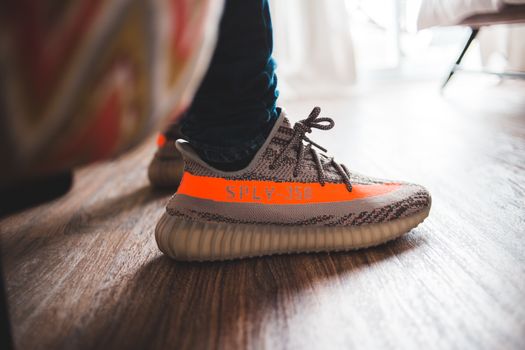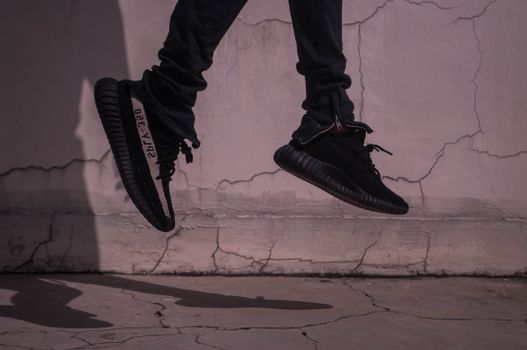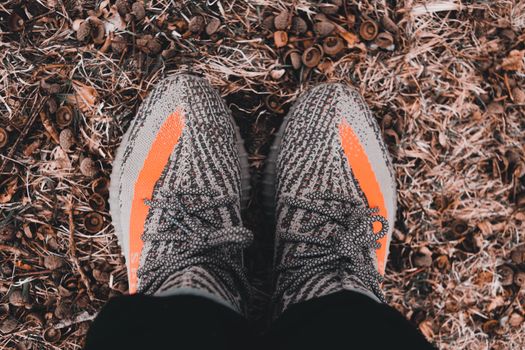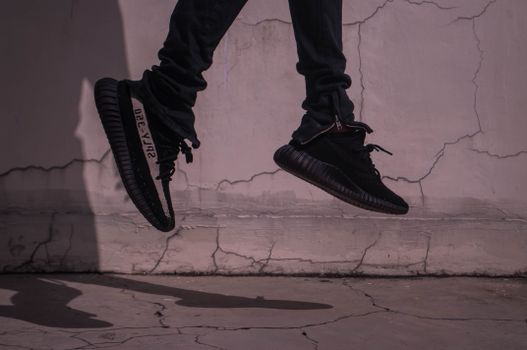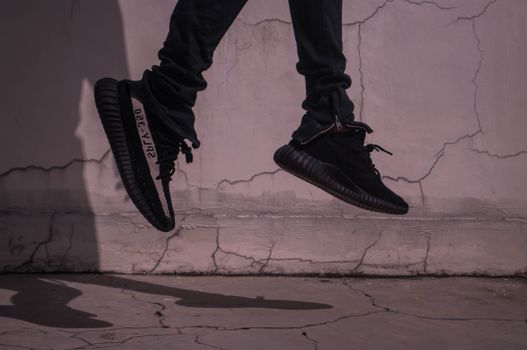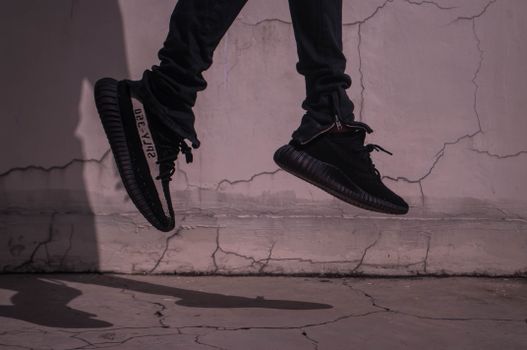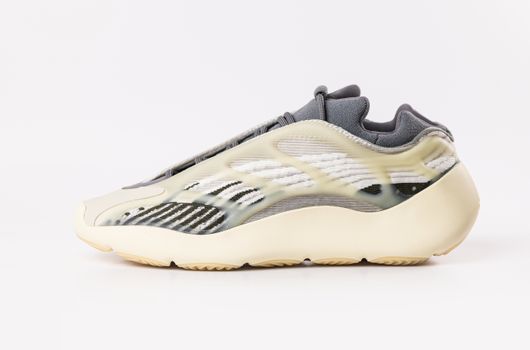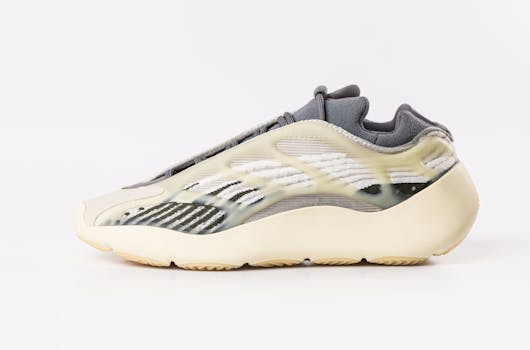
The sneaker world is fiercely competitive, with countless brands and models vying for the top spot among collectors, athletes, and casual wearers alike. Among these, the Yeezy 700, designed by Kanye West in collaboration with Adidas, has made waves since its debut in 2017. But how does the Yeezy 700 stack up against other leading sneakers on the market? In this comprehensive comparison, we’ll break down the Yeezy 700’s design, comfort, performance, resale value, and cultural impact, and see how it measures up to the competition—from Nike’s Air Max and New Balance’s 990 series to the ever-popular Jordan 1 and Puma RS-X.
The Yeezy 700: A Quick Overview
Before diving into the comparison, let’s establish what makes the Yeezy 700 unique. Released in August 2017, the Yeezy 700 “Wave Runner” shocked sneakerheads with its chunky silhouette, bold color blocking, and a retail price of $300—high for a mainstream sneaker at the time. Its construction features a leather, mesh, and suede upper, a full-length Boost midsole for cushioning, and a gum outsole for traction.
Since its release, the Yeezy 700 has spawned several versions: the OG Wave Runner, V2, V3, and MNVN, each bringing slight tweaks in design and materials. Over one million pairs of Yeezy 700s have been sold globally as of 2023, according to Adidas reports, cementing its popularity in the sneaker world.
.png)
Design & Aesthetics: Chunky Dad Shoe vs. Sleek Rivals
The Yeezy 700 helped usher in the “dad shoe” trend, characterized by its thick sole and retro-inspired shape. While early criticism called it “bulky,” the sneaker quickly became a style staple thanks to celebrity endorsements and streetwear’s embrace of oversized silhouettes.
Let’s compare the Yeezy 700 with other popular models:
- Nike Air Max 97: Sleek, streamlined, and inspired by Japanese bullet trains, the Air Max 97 is almost the polar opposite of the Yeezy 700 in terms of silhouette. - New Balance 990v5: Also a chunky sneaker, but with a more understated, heritage look that appeals to both sneakerheads and those seeking understated luxury. - Air Jordan 1: Timeless and versatile, the Jordan 1’s high-top design and simple colorways make it a wardrobe staple for many. - Puma RS-X: Bold and colorful, the RS-X takes cues from the dad shoe trend but incorporates more synthetic materials and flashier color blocking.The Yeezy 700’s design stands out for its layered upper, mix of premium materials, and iconic reflective details. In a 2022 survey by Sneaker News, 41% of respondents cited the Yeezy 700's unique design as the primary reason for their purchase, a higher rate than for most competitors.
Comfort & Performance: Does Boost Technology Lead the Pack?
One of the Yeezy 700’s biggest selling points is its use of Adidas’ Boost cushioning technology. Boost, made from expanded thermoplastic polyurethane (eTPU), is renowned for its energy return and comfort, a feature that has been praised in both lifestyle and performance sneakers.
How does the Yeezy 700 compare to the competition in terms of comfort?
- Yeezy 700: Full-length Boost midsole provides plush, responsive cushioning. The upper is supportive but roomy, suitable for all-day wear. - Nike Air Max 97: Air Max unit runs the length of the shoe, offering good shock absorption, but some wearers find it less flexible and more rigid than Boost. - New Balance 990v5: Features ENCAP midsole technology—less bouncy than Boost but offers exceptional stability and support, especially for those with wider feet. - Air Jordan 1: Features basic Air cushioning and a flat sole, which some find lacking in comfort for extended use. - Puma RS-X: Uses a proprietary foam midsole, which is comfortable but generally considered less advanced than Boost or ENCAP.According to a 2023 WearTesters poll, 78% of Yeezy 700 owners rated the comfort as “excellent,” compared to 63% for Air Max 97 and 70% for the New Balance 990v5.
Resale Value & Rarity: Yeezy 700 vs. Other Hype Releases
In the world of sneaker collecting, resale value is a major factor. The Yeezy 700 consistently commands high resale prices, especially for limited edition colorways. For example, the original Yeezy 700 “Wave Runner” regularly sells for $450–$600 on the secondary market, more than double its original retail price.
Let’s compare average resale values for popular models (as of Q1 2024, based on StockX data):
| Sneaker Model | Retail Price (USD) | Average Resale Price (USD) | Rarity / Number of Releases |
|---|---|---|---|
| Yeezy 700 (Wave Runner) | $300 | $500 | High (5 releases since 2017) |
| Nike Air Max 97 (OG Silver Bullet) | $180 | $250 | Moderate (annual restocks) |
| New Balance 990v5 | $185 | $210 | Low (widely available) |
| Air Jordan 1 (Chicago 2022) | $180 | $600 | High (rare restocks) |
| Puma RS-X | $110 | $120 | Low (widely available) |
As the table shows, the Yeezy 700 and Air Jordan 1 consistently outperform others in terms of resale value. Rarity, driven by limited releases and high demand, is a key factor in maintaining high secondary market prices.
Innovation & Materials: Setting New Standards in Sneaker Tech
The Yeezy 700’s innovative use of materials and design has influenced the sneaker industry. Its combination of mesh, suede, and leather in a single sneaker was bold in 2017, predating the current trend for multi-material uppers. Adidas’ Boost technology, meanwhile, set a new benchmark for comfort.
How does the Yeezy 700 fare against competitors?
- Nike Air Max 97: Famous for its full-length visible Air unit, but the upper is mostly synthetic and mesh, which some find less luxurious. - New Balance 990v5: Uses pigskin suede and mesh for a premium feel; manufactured in the USA, known for top-tier quality control. - Air Jordan 1: Leather upper with limited tech features, though recent collaborations have incorporated more premium or unique materials. - Puma RS-X: Primarily synthetic materials, targeting a lower price point and younger market.The Yeezy 700’s premium feel, weighty construction, and use of reflective accents and advanced cushioning make it a standout for those who value both innovation and quality.
Cultural Impact: Yeezy 700 as a Fashion and Status Symbol
No sneaker comparison is complete without considering cultural relevance. The Yeezy 700, boosted by Kanye West’s celebrity and Adidas’ marketing, has become a status symbol. It’s been worn by celebrities from Kim Kardashian to A$AP Rocky and consistently features in street style photography and social media posts.
In a 2023 Hypebeast poll, the Yeezy 700 was rated the third most influential sneaker of the decade, behind only the Air Jordan 1 and Nike Air Force 1. Its influence can be seen in the wave of chunky, “dad” sneakers from competitors—Balenciaga’s Triple S, Nike’s M2K Tekno, and even luxury brands like Gucci jumping on the trend.
New Balance, once associated with “normcore,” has also risen in cultural cachet, but few models have matched the Yeezy 700’s crossover appeal in music, fashion, and sports.
Final Verdict: Is the Yeezy 700 the Best Choice Among Top Sneakers?
When comparing the Yeezy 700 to other major sneaker releases, it’s clear that it excels in several areas: bold design, comfort via Boost cushioning, and status as a collectible and fashionable item. While it isn’t the most affordable sneaker on the market, its resale values and cultural impact justify its premium price tag for many buyers.
If you prioritize standout design, all-day comfort, and investment potential, the Yeezy 700 is difficult to beat. However, if you prefer a sleeker look (Air Max 97), heritage quality (New Balance 990v5), or more affordable options (Puma RS-X), there are strong alternatives available. For a truly iconic and versatile sneaker, the Air Jordan 1 remains a perennial favorite.
Ultimately, the “best” sneaker comes down to your personal taste, budget, and intended use. Still, the Yeezy 700’s blend of innovation and cultural resonance ensures it will remain a force in the sneaker world for years to come.