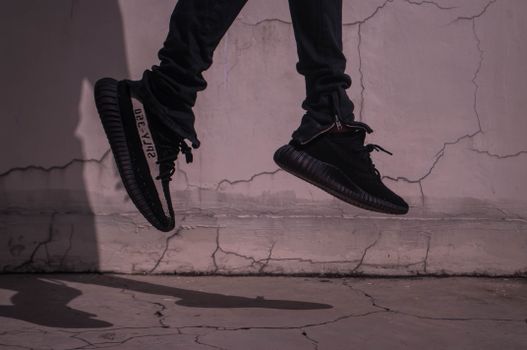
The Yeezy 700: A Case Study in Branding and Marketing Excellence
In the ever-evolving world of fashion and footwear, few products have demonstrated a mastery of branding and marketing quite like the Yeezy 700. Introduced in 2017 as part of the collaboration between rapper and designer Kanye West and sportswear giant Adidas, the Yeezy 700 has become much more than just a sneaker—it’s a cultural icon and a marketing phenomenon. While countless sneaker launches come and go, the Yeezy 700’s sustained hype and commercial success offer valuable lessons for brands and marketers everywhere. This article delves deep into the unique branding and marketing strategies that propelled the Yeezy 700 to the forefront of the global sneaker market.
The Power of Partnership: Kanye West and Adidas
At the heart of the Yeezy 700's branding success lies a powerful partnership. When Adidas signed Kanye West in 2013, the company was looking to shake up its image and compete more directly with Nike, which had long dominated the sneaker market. Kanye, already a household name with a reputation for trendsetting and controversy, brought not just celebrity but genuine creative vision.
The Yeezy line, and especially the 700, leveraged Kanye’s personal brand—his music, his fashion statements, and his outspoken persona. Adidas, for its part, provided the manufacturing prowess and global distribution channels needed to turn hype into sales. The result? By 2019, Forbes estimated the Yeezy brand was worth $1.5 billion, with the 700 playing a pivotal role.
.png)
This partnership exemplifies how strategic celebrity collaborations can amplify both brand reach and cultural relevance. Adidas saw a 45% increase in North American sales in 2017, the year the Yeezy 700 debuted, demonstrating the tangible business impact of getting the right collaborator on board.
Scarcity, Exclusivity, and the Drop Model
One of the most distinctive elements of Yeezy’s marketing strategy is its use of scarcity and exclusivity. Unlike traditional sneaker launches that flood the market, the Yeezy 700 debuted in limited quantities, fueling demand and buzz. This “drop model” creates anticipation, as fans worldwide scramble to secure a pair before they sell out—often within minutes.
For example, the original Yeezy Boost 700 "Wave Runner" release was limited to select markets and online raffles, with only an estimated 15,000 pairs initially available. This scarcity led to an aftermarket resale price that sometimes soared three times the retail value, reinforcing the idea that owning a Yeezy 700 is both a status symbol and an investment.
By maintaining limited releases even as demand grew, Adidas and Kanye West tapped into human psychology: people value what is rare. This approach has since been emulated by brands ranging from Supreme to Nike, but Yeezy’s execution remains a textbook example.
Design Innovation and Storytelling
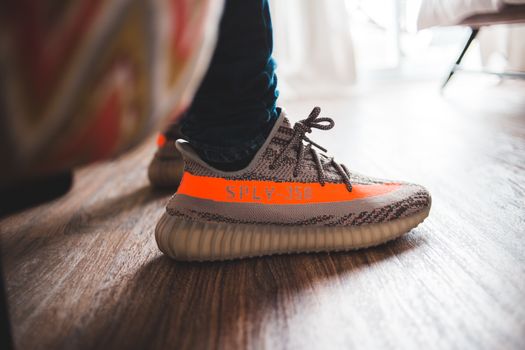
A critical part of the Yeezy 700’s marketing brilliance is its distinctive design and the storytelling woven around it. Unlike other sneakers at the time, the 700 broke conventions with its bulky silhouette, striking colorways, and retro-futuristic vibe. This was a bold move in 2017, when the market favored sleeker, minimalist designs.
The Yeezy 700’s aesthetics were inspired by 1990s running shoes, a deliberate nod to nostalgia but with unmistakable modern flair. Kanye West and Adidas positioned the sneaker as a statement piece—something that both referenced the past and looked ahead.
Storytelling extended beyond the product to its campaign imagery and rollout. The 700 was often showcased in grainy, analog-style photos, evoking a sense of authenticity and underground cool. Celebrity endorsements (from Kim Kardashian to NBA stars) and strategic leaks on social media further amplified the narrative and desirability.
Omnichannel Marketing and Community Engagement
Another pillar of the Yeezy 700’s branding success has been its omnichannel approach. While the sneakers are notoriously hard to get, Adidas has balanced exclusivity with accessibility by releasing drops through various platforms: official Adidas stores, the Yeezy Supply website, select boutiques, and even pop-up events in major cities. This multi-channel strategy ensures maximum exposure without diluting the brand’s cachet.
Community engagement is also central to the Yeezy brand. Social media teasers, influencer partnerships, and direct engagement with fans build anticipation and foster a sense of belonging among “Yeezyheads.” In 2020, Adidas reported that Yeezy-related hashtags had reached over 10 million mentions on Instagram alone, underlining the power of digital word-of-mouth.
Furthermore, the brand has responded to feedback, releasing new colorways and even restocking popular editions. This two-way interaction strengthens loyalty and keeps the Yeezy 700 relevant even as sneaker trends change.
Comparing Yeezy 700 Marketing to Industry Peers
How does the Yeezy 700’s branding and marketing strategy stack up against other major sneaker releases? The table below provides a comparison of key elements:
| Brand/Sneaker | Celebrity Collaboration | Release Model | Initial Retail Price (USD) | First-Year Resale Premium (%) | Social Media Mentions (12 months) |
|---|---|---|---|---|---|
| Yeezy 700 | Kanye West | Limited Drops | $300 | +200% | 10 million+ |
| Nike Air Jordan 1 Retro | Michael Jordan | Periodic Retro Drops | $160 | +100% | 8 million+ |
| Supreme x Nike SB Dunk | Supreme (Brand) | Extremely Limited | $120 | +300% | 6 million+ |
| PUMA RS-X | No major celebrity | General Release | $110 | +20% | 1 million+ |
This comparison highlights how the Yeezy 700’s combination of celebrity influence, controlled scarcity, and digital buzz outpaces many competitors, particularly in resale value and online engagement.
Lessons in Modern Branding from the Yeezy 700
The Yeezy 700 journey offers several takeaways for brands aiming to build a product that resonates deeply with consumers:
1. Celebrity Partnerships Must Be Authentic: The synergy between Kanye West’s personal brand and Adidas’s expertise was not just transactional. Kanye was deeply involved in design and marketing, giving the collaboration credibility. 2. Scarcity Drives Desire, But Balance Is Key: While limited releases create hype, brands must avoid alienating fans by making products completely unattainable. Periodic restocks and new colorways kept Yeezy 700 fans engaged. 3. Storytelling Enhances Value: The Yeezy 700 was never marketed as just another sneaker. Every campaign, photo, and endorsement added layers of narrative, making each release feel like an event. 4. Digital and Social Media Are Game-Changers: The Yeezy brand leveraged Instagram, Twitter, and online communities to create a viral loop of anticipation, unboxing, and resale—turning customers into brand advocates. 5. Constant Evolution Keeps the Brand Fresh: By listening to its audience and iterating on design and release strategies, the Yeezy 700 has managed to stay relevant in a notoriously fickle market.Final Insights: The Enduring Influence of the Yeezy 700 Brand
The Yeezy 700 is much more than a popular sneaker—it’s a masterclass in branding and marketing for the digital age. From its star-powered inception and innovative drop strategies to its embrace of community and storytelling, the Yeezy 700 has redefined what it means to launch and sustain a cultural product. Its success demonstrates the power of aligning product, personality, and platform in a way that feels both exclusive and inclusive, aspirational yet accessible.
For marketers, entrepreneurs, and sneaker enthusiasts alike, the Yeezy 700 stands as proof that the right mix of creativity, authenticity, and strategic scarcity can transform an ordinary product into a global phenomenon.