The Yeezy 700: Dissecting Its Impact on Athlete Endorsements
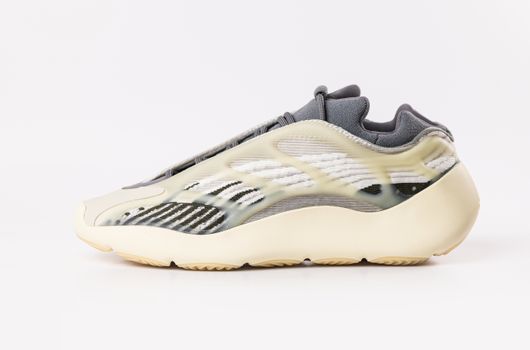
When Kanye West and Adidas unveiled the Yeezy 700 in 2017, the sneaker world was already abuzz with anticipation. Known for its chunky silhouette, futuristic design, and boundary-pushing aesthetics, the Yeezy 700 quickly became a symbol of sneaker culture’s evolution. But its influence has stretched far beyond fashion and streetwear. The Yeezy 700 has had a profound impact on the world of athlete endorsements—reshaping how brands, athletes, and fans think about collaboration, marketing, and brand loyalty. In this article, we’ll explore how the Yeezy 700 has changed the game for athlete endorsements, with data, comparisons, and real-world examples illustrating this seismic shift.
The Pre-Yeezy Landscape: Traditional Athlete Endorsements
Before the Yeezy 700’s debut, athlete endorsements followed a well-trodden path. Major sportswear brands like Nike, Adidas, and Puma signed world-class athletes to exclusive contracts, leveraging their performance and celebrity for mass-market appeal. Michael Jordan’s partnership with Nike, for example, set the gold standard: the Air Jordan line has generated over $3.6 billion in annual revenue for Nike as of 2022. These deals were typically built around performance, with athletes endorsing products designed for their sport—think basketball shoes for basketball players, soccer cleats for soccer stars.
In 2016, global spending on athlete endorsements reached $1.2 billion, according to Statista. The focus was clear: sports performance, athletic excellence, and mainstream appeal. The design of signature shoes was generally conservative, prioritizing function and broad consumer acceptance over fashion-forward experimentation.
.png)
The Arrival of the Yeezy 700: A Paradigm Shift
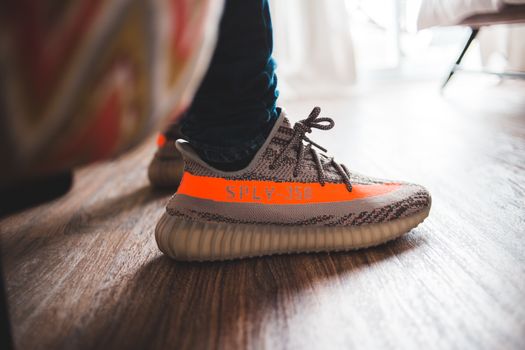
When Kanye West, a musician and designer rather than an athlete, launched the Yeezy 700 with Adidas, it redefined what a celebrity endorsement could look like. The sneaker’s design, with its bold “dad shoe” aesthetic and premium materials, was a far cry from traditional sportswear. Yet it resonated not just with music fans and fashionistas, but also with athletes themselves.
NBA stars like PJ Tucker, LeBron James, and Nick Young were spotted wearing Yeezy 700s off the court, signaling a crossover appeal that transcended sport. The Yeezy 700 became a status symbol—less about athletic performance, and more about personal style, exclusivity, and cultural capital.
This shift blurred the lines between sports, music, and lifestyle branding. Suddenly, athletes were seeking partnerships that reflected their identities beyond the game. The Yeezy 700, and the Yeezy brand in general, proved that star power and cultural relevance could be just as important as athletic prowess in driving sneaker sales.
How the Yeezy 700 Changed Athlete Endorsement Strategies
The success of the Yeezy 700 spurred brands and athletes alike to rethink the mechanics of endorsement deals. Here’s how the landscape evolved:
1. $1: With the Yeezy 700, Adidas demonstrated that lifestyle sneakers could be as lucrative as performance models. Athletes began to favor deals that included both sport-specific and lifestyle-oriented products, allowing them to express their personalities off the field. 2. $1: Athletes increasingly sought collaborations that went beyond their sport. For example, NBA star Damian Lillard worked with Adidas on both basketball shoes and lifestyle sneakers, while NFL player Odell Beckham Jr. signed a $29 million deal with Nike in 2017 that included custom lifestyle offerings. 3. $1: The Yeezy 700’s hype was fueled by celebrity and athlete endorsements on Instagram and Twitter. Brands realized that athletes’ social followings could be leveraged for wider reach, leading to more holistic and creative marketing campaigns. 4. $1: The Yeezy 700’s scarcity—many releases sold out in minutes—created a sense of urgency and desirability. This approach was adopted by other athlete-endorsed lines, such as Nike’s collaborations with Travis Scott and LeBron James.Comparing Athlete-Endorsed Sneakers: Yeezy 700 vs. Traditional Models
To better understand the Yeezy 700’s impact, let’s compare it with traditional athlete-endorsed sneakers in terms of design focus, marketing, and cultural influence.
| Feature | Yeezy 700 | Traditional Athlete-Endorsed (e.g., Air Jordan, LeBron) |
|---|---|---|
| Design Focus | Lifestyle, fashion-forward, unique aesthetic | Performance, sport-specific, functional |
| Target Audience | Fashion, music, pop culture fans; athletes off the field | Sports enthusiasts, athletes, mainstream sneaker buyers |
| Marketing Approach | Social media hype, influencer endorsements, limited releases | Traditional advertising, televised sports, athlete performance |
| Release Strategy | Limited drops, high resale value, exclusivity | Regular seasonal releases, wide availability |
| Cultural Impact | Blurs lines between music, sports, and lifestyle; trendsetting | Legacy appeal, sport-driven, iconic status |
The Yeezy 700 has inspired a generation of athlete-endorsed products that prioritize individuality and exclusivity, while traditional models remain rooted in sport and performance.
The Numbers: Yeezy 700’s Market Influence on Athlete Endorsements
The financial impact of the Yeezy 700 on the sneaker and endorsement markets is significant. According to StockX, the Yeezy brand generated over $1.7 billion in revenue in 2020 alone, with the Yeezy 700 representing a substantial portion of secondary market sales. Resale prices for limited Yeezy 700 releases have often exceeded 300% of retail, illustrating the immense demand created by its marketing model.
Athlete endorsement deals have also shifted in value and structure. For example, since the Yeezy 700’s launch, the average value of NBA sneaker deals has increased by nearly 25%, according to Forbes. Brands are now more willing to negotiate creative control, profit-sharing, and cross-industry collaborations, reflecting the Yeezy influence.
Additionally, the number of athlete-lifestyle collaborations has surged. In 2021, there were more than 30 active sneaker collaborations between athletes and non-sport brands, compared to fewer than 10 in 2015. This trend can be traced directly to the Yeezy 700’s pioneering role in merging fashion and sport.
Case Studies: Athletes and the Yeezy 700 Effect
A closer look at individual athletes highlights the Yeezy 700’s transformative effect on endorsements:
- $1: While known for his Nike LeBron line, LeBron has embraced lifestyle sneakers, frequently wearing Yeezy 700s and collaborating with Nike on fashion-forward designs. His endorsement deals now include apparel and media projects, not just performance shoes. - $1: Nicknamed the “Sneaker King” of the NBA, Tucker’s vast collection includes dozens of Yeezy 700s. His influence extends to sneaker culture at large, and he has helped drive demand for athlete-endorsed lifestyle footwear. - $1: The NBA star collaborated with Nike’s Jordan Brand on the “Why Not?” series, which includes both performance and lifestyle models—a strategy reminiscent of the Yeezy approach.This blending of roles—athlete, influencer, fashion icon—was uncommon before the Yeezy 700. Now, it’s a hallmark of modern endorsement deals.
Broader Implications: Redefining Value in Athlete Endorsements
The Yeezy 700’s ripple effect can be seen in how brands and athletes now measure the success of an endorsement. No longer is it simply about sales numbers or performance metrics. Cultural cachet, social media influence, and cross-market appeal are just as valuable. Brands are investing in athletes who can move seamlessly between the worlds of sport, music, and fashion.
For athletes, this means greater negotiating power. They can demand more creative input, profit participation, and even their own sub-brands—echoing Kanye West’s role with Yeezy. The endorsement landscape is more dynamic and competitive than ever, with brands racing to sign athletes who can transcend traditional categories.
Final Thoughts: The Yeezy 700’s Lasting Impact on Athlete Endorsements
The Yeezy 700 has done more than redefine sneaker design—it has revolutionized the business of athlete endorsements. By blurring the lines between sport, fashion, and culture, it has empowered athletes to become multifaceted influencers and entrepreneurs. The endorsement deals of today bear little resemblance to those of the pre-Yeezy era, and the future promises even greater innovation and collaboration.
With the Yeezy 700 as a blueprint, the next generation of athlete-endorsed products will likely continue to prioritize individuality, exclusivity, and cultural relevance. For brands, athletes, and fans alike, this evolution represents a new era of creativity and connection.