The Yeezy 700: An Analysis of Its Price Over the Years
When Kanye West and Adidas first unveiled the Yeezy 700 in 2017, the sneaker world took notice. With its bold, chunky silhouette and eye-catching colorways, the Yeezy 700 quickly became a must-have for sneakerheads and fashion enthusiasts alike. But beyond its aesthetic appeal and cultural impact, one aspect of the Yeezy 700 that has fascinated collectors and casual buyers is its price trajectory. From its original retail price to its explosive resale market, the Yeezy 700’s price has reflected everything from hype cycles to market saturation and even global economic trends. In this article, we delve into the compelling story of the Yeezy 700’s price over the years, exploring the factors that have influenced its value, key pricing milestones, and what the future may hold for this iconic sneaker.
The Genesis: Yeezy 700’s Initial Pricing and Release Strategy
The Yeezy 700 made its worldwide debut with the “Wave Runner” colorway in August 2017. Priced at $300, the sneaker’s retail price was notably higher than many other Adidas and even previous Yeezy models. This price point set a precedent for the 700 line and immediately signaled its premium positioning. Unlike the more accessible Yeezy Boost 350 V2, the 700 was released in limited quantities through Yeezy Supply and select Adidas Consortium stores.
The $300 price tag was a bold choice. For reference, the Yeezy Boost 350 V2 typically retailed for $220, making the 700 over 35% more expensive at launch. Despite this, the demand for the “Wave Runner” far outstripped supply, and resale prices shot up to between $600 and $900 on platforms like StockX and GOAT within weeks of release.
.png)
This initial scarcity and high price point established the Yeezy 700 as a luxury item within the sneaker community. It also set a pattern: future releases would be tightly controlled, and each new 700 colorway would command significant resale premiums, at least initially.
Price Evolution: Tracking Yeezy 700 Releases and Market Trends
Following the success of the “Wave Runner,” Adidas and Kanye West continued to release new Yeezy 700 colorways and eventually introduced updated models such as the Yeezy 700 V2 and V3. Each iteration brought subtle design tweaks and fresh color palettes, but the pricing strategy remained consistent.
Here’s a breakdown of key Yeezy 700 models and their retail prices:
| Model | Initial Release Year | Retail Price (USD) | Average Resale Price (First 6 Months) |
|---|---|---|---|
| Yeezy 700 "Wave Runner" | 2017 | $300 | $650 |
| Yeezy 700 V2 "Static" | 2018 | $300 | $500 |
| Yeezy 700 V3 "Azael" | 2019 | $200 | $500 |
| Yeezy 700 MNVN "Triple Black" | 2020 | $220 | $350 |
| Yeezy 700 "Enflame Amber" | 2021 | $240 | $300 |
As seen in the table, the original 700 and its V2 version maintained the high $300 retail price. However, with the introduction of the V3 and MNVN models, Adidas experimented with lower retail prices ($200–$220), possibly in response to market feedback and the growing number of Yeezy models competing for consumer attention.
Despite these adjustments, the resale value of early Yeezy 700 releases remained robust, often doubling or even tripling the retail price during the initial hype window.
Factors Influencing Yeezy 700 Price Fluctuations
Multiple factors have contributed to the price movements of the Yeezy 700 over the years. These include:
1. $1 The first Wave Runner drop was extremely limited, driving hype and high resale prices. Subsequent restocks in 2018 and later years slightly depressed resale values, but the sneaker continued to fetch a premium. 2. $1 As Adidas released more Yeezy 700 colorways and variants, the novelty factor diminished for some buyers. By 2020, there were over 20 distinct Yeezy 700 releases, which led to a softening of resale prices for newer colorways. For example, the 700 “Enflame Amber” debuted in 2021 at $240 retail but rarely exceeded $300 on the resale market. 3. $1 Global events, such as the COVID-19 pandemic, impacted sneaker demand and consumer spending. In 2020, the resale market experienced volatility: while some Yeezy 700s appreciated as collectors spent more on limited items, others stagnated due to broader economic uncertainty. 4. $1 Celebrity endorsements, social media trends, and Kanye West’s public persona have all played a role in driving demand—and thus prices—up or down. For instance, after Kanye’s high-profile partnership changes and public statements, certain Yeezy releases saw increased attention and price spikes. 5. $1 Unique colorways or limited regional releases tend to command higher prices. The Yeezy 700 V3 “Azael,” for example, was released in restricted quantities and quickly reached resale prices of $500 or more.Comparison with Other Yeezy Models and Competitors
The Yeezy 700’s price journey is best understood in context. How does it compare to other models in the Yeezy family, or even similar designer sneakers from Nike or New Balance? Here’s a comparative look:
| Sneaker Model | Retail Price (USD) | Average Resale Price (First 6 Months) | Release Frequency (per year) |
|---|---|---|---|
| Yeezy 700 "Wave Runner" | $300 | $650 | 1-2 |
| Yeezy Boost 350 V2 | $220 | $400 | 5-7 |
| Yeezy 500 | $200 | $300 | 2-4 |
| Nike Air Max 97 OG | $170 | $250 | 2-4 |
| New Balance 990v5 | $175 | $225 | 3-5 |
The Yeezy 700 has consistently occupied the high end of the market, both in terms of retail and resale price. Its limited release strategy and association with Kanye West have given it an edge over mainstream models, but at the cost of accessibility. In contrast, the Yeezy Boost 350 V2, while more frequently released, has shown slightly lower resale values due to higher supply.
Long-Term Value: Collectibility and Investment Prospects
For sneaker collectors and investors, the Yeezy 700 presents an interesting case study. Early “Wave Runner” pairs that sold for $300 in 2017 still fetch upwards of $600–$800 in deadstock condition as of 2024. That’s an appreciation of over 100% in seven years, outperforming many traditional investments.
However, not all Yeezy 700 releases have held their value equally. More recent colorways, released in larger quantities and without the same level of hype, have seen more modest resale gains or, in some cases, even dipped below retail value on the secondary market.
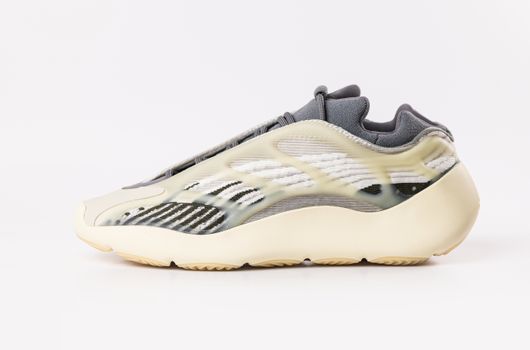
Collectors tend to prize the original colorways and limited releases. The Yeezy 700 V3 “Azael” and V2 “Static” are consistently among the most valuable, thanks to their unique designs and restricted supply. According to StockX data, the “Azael” V3 has sustained average resale prices of $500–$600 since its launch, while the “Static” V2 commands $450–$550 depending on size and condition.
For those considering the Yeezy 700 as an investment, the lesson is clear: rarity, condition, and cultural cachet are key. Early pairs and limited editions have shown the greatest long-term appreciation, while general releases are more susceptible to market fluctuations and trends.
The Future of Yeezy 700 Pricing in a Changing Market
As of 2024, the Yeezy 700’s price outlook is shaped by several variables. Adidas’ evolving strategy with the Yeezy brand—particularly after the end of their formal partnership with Kanye West—has already led to questions about future releases and pricing structures. If production slows or stops altogether, existing pairs may become even more collectible, and prices could rise accordingly.
On the other hand, if Adidas opts to restock older colorways or introduces new variants without Kanye’s direct involvement, the market could see further price normalization. The rise of competing “dad shoe” styles from Nike, New Balance, and ASICS also means that the Yeezy 700’s unique selling point is less novel than it was in 2017.
Despite these uncertainties, the Yeezy 700 has cemented its place as a modern sneaker icon. Its price history reflects a blend of hype, scarcity, and lasting cultural influence—a combination that few other sneakers have matched in the last decade.