The Yeezy 700: Its Contribution to the Streetwear Movement
Few sneakers have made as profound an impact on the streetwear world as the Yeezy 700. Since its debut in 2017, the Yeezy 700 has not only challenged traditional sneaker aesthetics but also helped to redefine what streetwear means in the 21st century. This article delves into the Yeezy 700’s unique role in shaping streetwear culture, examining its design innovations, influence on fashion trends, collaborations, and the way it has democratized high-end sneaker culture. We’ll also compare the Yeezy 700’s influence with other pivotal sneakers and explore what sets it apart in the ever-evolving streetwear landscape.
The Rise of Yeezy 700: A New Era for Sneaker Design
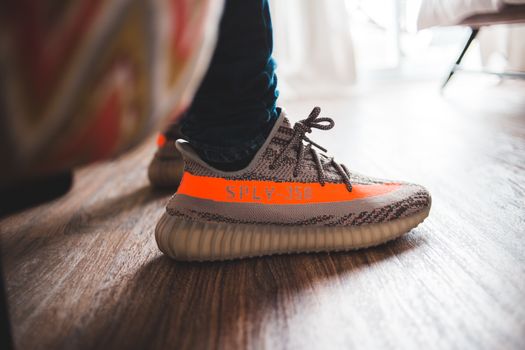
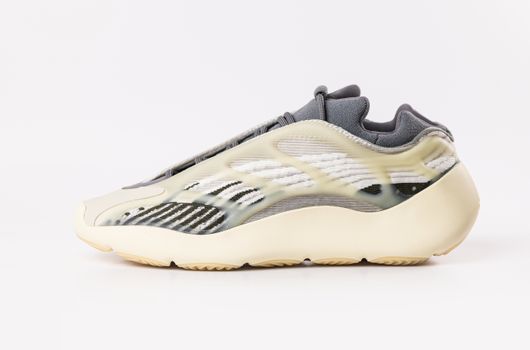
When Kanye West unveiled the Yeezy 700 “Wave Runner” in 2017, the sneaker world was taken by surprise. With its chunky silhouette, bold color blocking, and retro-inspired lines, the Yeezy 700 marked a departure from the then-popular minimalist sneaker trend. Instead of sleek, understated profiles, the Yeezy 700 embraced maximalism, drawing inspiration from 1990s running shoes.
This bold design choice was not just a stylistic risk; it signaled a new direction for streetwear. According to StockX, within the first year of its release, the Yeezy 700 “Wave Runner” was reselling for over $600—triple its original $300 retail price. This surge in demand highlighted the sneaker’s immediate cultural relevance and its ability to set new trends.
.png)
Moreover, the Yeezy 700’s construction was a technical leap forward. Featuring a full-length Boost midsole, durable suede overlays, and mesh panels, the sneaker blended comfort with futuristic design. The materials and craftsmanship set a new standard for what consumers expected from streetwear footwear.
Shaping the ‘Dad Shoe’ Trend and Beyond
The Yeezy 700 didn’t just participate in the “dad shoe” trend—it helped to define and popularize it. Prior to the Yeezy 700’s release, sneakers with chunky profiles were largely considered outdated or unfashionable. However, Kanye West’s bold approach flipped perceptions, making the “dad shoe” aesthetic highly sought after.
Major brands quickly took note. Within two years of the Yeezy 700’s debut, Nike, Balenciaga, and Puma released their own versions of the chunky sneaker. Balenciaga’s Triple S, for instance, debuted in 2017 and soon became a luxury favorite, while Nike’s M2K Tekno found its own cult following. According to a 2018 report by Lyst, searches for “chunky sneakers” increased by 87% in the year following the Yeezy 700’s launch.
The Yeezy 700’s influence can be seen in the way sneaker fans and streetwear enthusiasts began to value boldness and nostalgia. Rather than striving for subtlety, the movement embraced vibrant colorways, layered materials, and exaggerated forms. This shift was not limited to sneakers—oversized hoodies, baggy pants, and statement accessories became key elements of the modern streetwear uniform.
Collaboration, Hype, and the Democratization of Streetwear
Kanye West’s partnership with Adidas for the Yeezy line, including the 700, marked a milestone in the way collaborations shape streetwear. Unlike limited drops that catered exclusively to sneakerheads, Adidas and Yeezy gradually increased the availability of the 700, making high-fashion streetwear more accessible to the broader public.
This approach balanced exclusivity with inclusivity. While early Yeezy 700 releases were limited and generated significant hype, subsequent restocks and new colorways allowed more fans to participate in the trend. According to Adidas, over 1 million pairs of Yeezy sneakers—including the 700 models—were sold in 2019 alone.
The Yeezy 700’s collaborative nature also extended to its marketing. Leveraging Kanye West’s celebrity status, the brand used social media, music videos, and celebrity endorsements to build anticipation. Stars such as Kim Kardashian, Pharrell Williams, and A$AP Rocky were seen wearing Yeezy 700s, amplifying their influence and solidifying their place in popular culture.
The result was a democratization of streetwear: what was once a niche, insider-driven movement became a global phenomenon. The Yeezy 700 played a pivotal role in making streetwear and high-end sneaker culture accessible, particularly to younger generations around the world.
Comparing the Yeezy 700’s Impact with Other Iconic Sneakers
To fully appreciate the Yeezy 700’s contribution to streetwear, it’s helpful to compare its influence with other legendary sneaker releases. The table below highlights differences in design philosophy, cultural impact, and market performance between the Yeezy 700 and other pivotal models.
| Sneaker Model | Year Released | Design Philosophy | Cultural Impact | Resale Value (First Year) |
|---|---|---|---|---|
| Yeezy 700 "Wave Runner" | 2017 | Chunky, retro-inspired, bold colors | Pioneered the dad shoe trend, democratized streetwear | $600+ |
| Air Jordan 1 "Bred" | 1985 | High-top, basketball heritage | Catalyzed sneaker culture, NBA controversy | $500+ |
| Balenciaga Triple S | 2017 | High-fashion, oversized silhouette | Brought luxury to chunky sneaker trend | $900+ |
| Nike Air Max 1 | 1987 | Visible air cushioning, athletic | Popularized visible tech in sneakers | $200+ |
As the table shows, the Yeezy 700’s debut price and resale value placed it firmly in the realm of high-demand collectibles, rivaling and even surpassing some of the most influential sneakers in history. Its design philosophy was distinct, blending nostalgia with innovation, and its cultural impact was amplified by Kanye West’s celebrity and broad appeal.
Yeezy 700’s Impact on Sustainability and Ethical Fashion
Beyond style and hype, the Yeezy 700 also contributed to a growing conversation about sustainability in streetwear. In recent years, Adidas and the Yeezy brand have made significant efforts to incorporate recycled materials and ethical manufacturing processes into their products.
By 2021, Adidas announced that more than 60% of the polyester used in Yeezy 700 models was recycled. This shift toward sustainability resonated with environmentally conscious consumers, setting a new benchmark for streetwear brands worldwide. The move also pressured competitors to adopt greener practices, contributing to a broader shift in the industry.
Kanye West himself has spoken publicly about his vision for sustainable fashion, stating in a 2020 interview with Forbes, "We’re working on turning the Yeezy brand into the most sustainable product company on the planet." The Yeezy 700 was among the first Yeezy models to reflect this commitment, further cementing its role as a leader in both design and ethical progress.
How the Yeezy 700 Redefined Streetwear Identity
Perhaps the Yeezy 700’s most significant contribution to streetwear is its influence on personal and collective identity. The sneaker’s bold design encouraged wearers to express individuality and confidence, challenging the notion that streetwear must adhere to rigid, minimalist standards.
Wearing Yeezy 700s became a statement—an expression of belonging to a culture that values creativity, risk-taking, and authenticity. The sneaker’s wide range of colorways and collaborations allowed fans to personalize their look, fostering a sense of community among enthusiasts.
This redefinition of streetwear identity extended beyond footwear. The Yeezy 700’s popularity inspired new approaches to styling, with fans mixing luxury and casual pieces, experimenting with layering, and embracing vintage influences. The result was a more eclectic, open-minded approach to fashion that continues to shape streetwear today.
Final Reflections: The Enduring Legacy of the Yeezy 700 in Streetwear
The Yeezy 700 is more than just a sneaker—it’s a cultural touchstone that helped to reshape the streetwear movement. From sparking the dad shoe revolution to promoting sustainability and democratizing high-fashion sneakers, its impact is multifaceted and enduring.
As trends continue to evolve, the Yeezy 700 stands as a testament to the power of innovation, collaboration, and bold design. Its legacy can be seen not only in the shoes worn on city streets but also in the way streetwear has become a global language of self-expression and creativity.