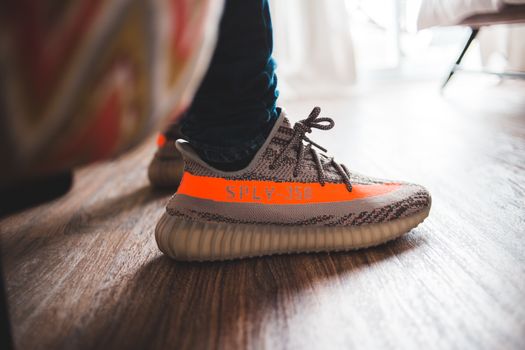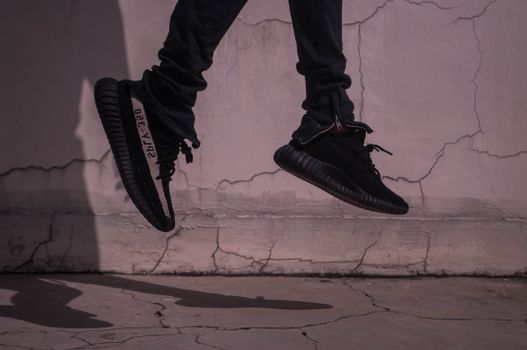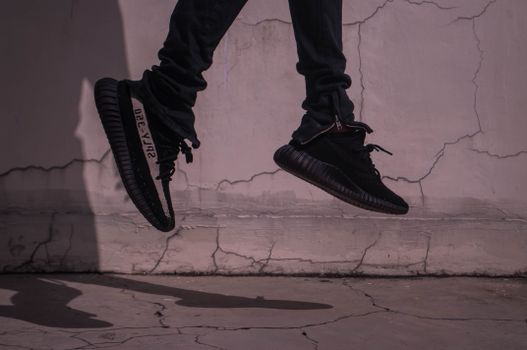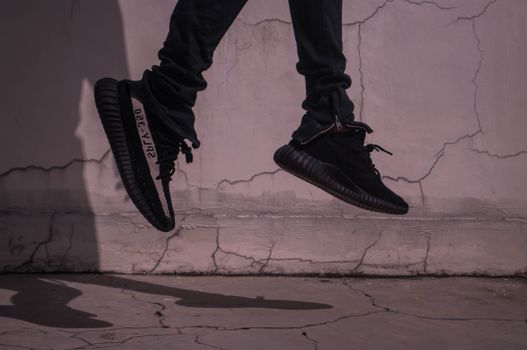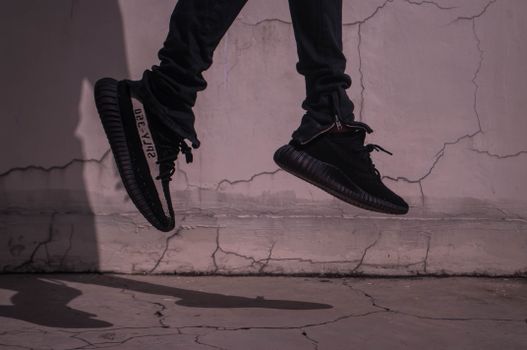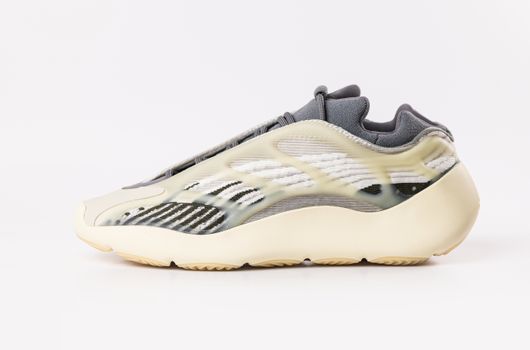
When Kanye West first introduced the Yeezy 700 in 2017, sneaker enthusiasts and skeptics alike took notice. With its bold, chunky silhouette and unconventional design inspired by retro running shoes, the Yeezy 700 didn't just enter the market; it disrupted it. This sneaker didn't only become a cultural icon but also fundamentally shifted industry standards, changing how brands approach design, technology, and even marketing. In this article, we will dive deep into how the Yeezy 700 revolutionized the footwear industry, exploring its impact on sneaker aesthetics, manufacturing innovation, brand collaborations, and the evolving consumer landscape.
The Yeezy 700 and the Rise of the “Dad Shoe” Trend
Before the Yeezy 700, the sneaker market was dominated by sleek, minimalist silhouettes. However, when Kanye West unveiled the Yeezy 700 "Wave Runner," its chunky midsole, layered uppers, and vibrant colorways instantly stood out. This bold “dad shoe” aesthetic—once considered outdated—became the height of fashion almost overnight.
The Yeezy 700’s design drew inspiration from 1990s running shoes, borrowing cues from brands like New Balance and Asics. Yet, it was West’s reinterpretation and Adidas’s high-quality execution that brought this style to the mainstream. According to a 2018 NPD Group report, sales of chunky sneakers increased by over 20% globally, largely attributed to the Yeezy 700’s influence. Brands from luxury houses like Balenciaga (with the Triple S) to sports giants like Nike rushed to release their own versions, solidifying the “dad shoe” trend as a staple in modern sneaker culture.
.png)
Material Innovation and Comfort: Setting New Standards
Beyond its looks, the Yeezy 700 made waves with its emphasis on comfort and material quality. The sneaker features a combination of suede overlays, mesh, and premium leather, all sitting atop Adidas’s proprietary Boost technology. This innovative midsole foam, comprised of thousands of energy capsules, provides superior cushioning and energy return.
Prior to the Yeezy 700, many high-profile sneakers focused on aesthetics over comfort. The 700’s blend of style and performance set a new benchmark. According to Adidas, Boost midsoles provide up to 20% more energy return than traditional EVA foam. This emphasis on both comfort and style has since influenced not just Adidas’s own product lines but those of competitors as well. Today, it’s commonplace for premium sneakers to boast advanced cushioning systems and mixed-material uppers—a shift largely propelled by the Yeezy 700’s success.
Redefining Collaboration: The Power of Celebrity and Brand Synergy
While celebrity sneaker collaborations existed before Kanye West, the Yeezy 700 took this model to a new level. Unlike previous endorsements, West played an active role in the design and marketing process, blurring the lines between celebrity and creative director. This hands-on involvement resulted in a product that truly reflected his vision, resonating deeply with consumers.
The impact is evident in the numbers. In 2019, Adidas’s Yeezy line generated over $1.3 billion in annual revenue, with the 700 series being a major contributor. The success of the Yeezy 700 prompted other brands to pursue more authentic and immersive collaborations with artists, athletes, and influencers. Nike’s partnerships with Travis Scott and Virgil Abloh, for example, have followed a similar model, emphasizing creative input and storytelling.
Limited Releases and the Hype Economy
The Yeezy 700 also revolutionized sneaker marketing and retail through its limited release strategy. By producing small quantities and using high-profile launch events, Adidas created an atmosphere of exclusivity and intense demand. This approach fueled a thriving resale market, where Yeezy 700s would often fetch double or triple their original retail price.
Consider the numbers: according to StockX, the Yeezy 700 “Wave Runner” had an average resale price of $450 in 2020, compared to its $300 retail tag—a 50% premium. This scarcity-driven model has since been adopted by nearly every major sneaker brand, fundamentally changing how sneakers are marketed and sold. The hype economy has even influenced other industries, from streetwear to luxury goods.
Comparing the Yeezy 700 to Other Revolutionary Sneakers
To fully understand the Yeezy 700’s impact, it helps to compare it with past industry-changing sneakers. Below is a table that highlights key differences and similarities:
| Model | Year Released | Key Innovation | Impact on Industry |
|---|---|---|---|
| Yeezy 700 | 2017 | Chunky silhouette, Boost cushioning, mixed materials | Kickstarted "dad shoe" trend, set new standards for comfort, redefined celebrity collaboration |
| Nike Air Jordan 1 | 1985 | High-cut basketball design, bold color blocking | Started sneaker culture, made athlete endorsements mainstream |
| Reebok Pump | 1989 | Inflatable air bladder for custom fit | Popularized tech innovation in sneakers, influenced athletic footwear design |
| Balenciaga Triple S | 2017 | Exaggerated sole, luxury materials | Brought chunky sneaker trend to high fashion, blurred line between streetwear and luxury |
As the table shows, the Yeezy 700’s unique combination of design, comfort, and pop culture relevance places it firmly among the most influential sneakers in history.
The Yeezy 700’s Influence on Sustainability and Production
The Yeezy 700’s impact extends beyond aesthetics and marketing; it has also contributed to evolving conversations around sustainability. In recent years, Adidas and the Yeezy brand have experimented with more sustainable materials and production methods, driven in part by consumer demand sparked by high-profile releases like the 700.
For example, in 2021, Adidas announced its commitment to using only recycled polyester in all products by 2024. The Yeezy 700 line has incorporated recycled materials in select releases, signaling a broader shift within the industry. The sneaker’s popularity also highlighted issues with overproduction and waste in footwear manufacturing, prompting brands to reevaluate their supply chains and focus on limited, demand-driven releases.
How the Yeezy 700 Changed Consumer Behavior
Perhaps the most profound impact of the Yeezy 700 is how it changed the way consumers approach sneaker purchases. The combination of limited releases, high resale values, and strong cultural cachet created a sense of urgency and exclusivity. Sneakerheads began to use apps, raffles, and online communities to track launches and secure pairs, while the mainstream public became increasingly aware of the sneaker resale economy.
A 2021 survey by Cowen estimated the global sneaker resale market to be worth $10 billion, up from $2 billion in 2017. The Yeezy 700 was a major catalyst behind this growth. Today, sneaker drops are digital events, with brands leveraging social media and e-commerce platforms to engage consumers in new ways. The customer experience is no longer just about buying shoes—it’s about participating in a cultural moment.
Lasting Legacy: The Yeezy 700’s Place in Sneaker History
The Yeezy 700’s influence is undeniable. By breaking the mold of what a sneaker could look like and how it could be marketed, it forced the industry to adapt—often at a dizzying pace. From the resurgence of chunky sneakers to the rise of the hype economy and shifts in consumer expectations, the Yeezy 700’s fingerprints are everywhere in today’s sneaker landscape.
Its legacy is not just in its resale value or its place on “top sneakers” lists, but in how it inspired brands to push boundaries and rethink their relationship with celebrity, technology, and culture. As we move forward, the Yeezy 700 remains a touchstone for innovation, signaling what’s possible when creativity, commerce, and community collide.